John Henry Moss The Early Years, Australia.
John Henry Moss was born in Daylesford in rural Victoria on the 12th of May 1874. There were no nurses or doctors present only his mother and neighbourly friends Mrs. Malcolm and Mrs. Lane who helped bring him into the world. He was born in the Borough County of Talbot, Colony of Victoria. At this time Australia was not yet federated. John’s father was also named John Moss and his mother was Sarah Varcoe/Vercoe (different spelling variations have been located). Sarah had arrived from Cornwall, England only two years beforehand to try her fortune in the colony. On John’s registration, Sarah was listed as Vercoe. I found her many years ago listed in a Melbourne Genealogical Society record as Narcoe. So, take your pick but I’m pretty sure it’s Varcoe or Vercoe. John’s BDM registration number at birth was 15185. His birth was registered by his mother. His father was aged thirty-one and gave his occupation as a Miner. He was not present at the registration.
Young John’s parents were married on the 31st of January 1865 in Ballarat. It is reasonable to assume his father was trying his luck during the ‘Goldrush’ in Victoria. John’s father was not local to the area having been born and raised himself in Melbourne. John Snr’s father was Thomas Moss. He came from Manchester, Lancashire, England as a free settler in 1841. So, being in Daylesford was not a historical home for the Moss family. Thomas had farmed at Brunswick in Melbourne.
John Henry’s registration on the 10th of July 1874 listed him as the youngest of his five siblings. Thomas, known as Tom, was 8 and a half years old. Alfred, known as Alife, was 7 years old. Mary Ellen, called Nellie, was 5 and 3/4 years old. Arthur was 4 years old. Emma, known as Em, was two years old. John’s mother, Sarah, was twenty-nine at the time of his birth. She had been born at St Stephens in Cornwall, England. At the time of his birth, the family resided in Albert Street in Daylesford. Of particular interest is that the registration pages from John Henry’s arrival include records of other babies. Their parents also came from Cornwall, England. Cornwall was a long-established area of quartz mining. Daylesford had mines of both gold and quartz. It is reasonable to conclude that many of these families knew each other well from England. They may have established mining communities at Daylesford.
Moss Family and siblings in inner south-east Melbourne
John’s parents would later buy a home and move to 102 Orrong Road Armadale (now Brighton). This would remain the family home for many years. Son Thomas Richard Moss and daughter Mary Ellen Moss continued to live there long after their parents passed. They themselves also passed while living there. In 1931 Thomas would travel to England and come back to Australia via Canada and the United States. He was 31 and retired, he was noted to be 5ft 9in tall with grey hair and blue eyes. Thomas would die in 1944 and left Retired Railway Officer. In Will left 5822 pounds, and 12791 pounds in realty, “mainly to relations”. 24 Nov 1944 The Age. Both Thomas and Mary Ellen acted as best men and bridesmaids to different siblings. However, they remained unmarried throughout their lives. Thomas and Mary Ellen would instead remain in and share the family home in Orrong Road. Thomas worked on the railways and Mary Ellen kept the house. Mary Ellen was active in The Australian Women’s League. This was a conservative movement of women who were politically and community-minded. They advocated for Victorian women’s right to vote. They also fought for fair working arrangements for children and women. Moreover, they sought safety for women and children in their homes and community. Emma died in 1947.
Their sister Emma Maud Moss married Charles Neil. They would continue to live in inner south Melbourne in close proximity to the family. Emma Maud and Charles Neil would own and lease commercial properties as appeared in 1932’s Victoria Australia Rate Book. They lived on Burke Road East Malvern. They owned shop properties at 231 (Grocers), 233 (Tobacconist), and 235 (Dairy Produce) Malvern Road Victoria Australia Rate Books.
In 1900 their brother Arthur married Gertrude Eleanor Bower. She was a local girl from what was then known as Emerald Hill. It is now called South Melbourne. The wedding was reported in the society papers and appeared to have been something of a grand affair. Arthur and Eleanor had lived at their home in Hawthorn Grove, Hawthorn in their later years. Arthur had joined what was then the Public Works Department. He worked as a public servant for around fifty years. He had risen to a position as Superintendent of the Public Works Department when he retired. He suffered from a long illness before his death in 1940.
In 1903, Alfred John was mining at Witwatersrand, South Africa. I think it was gold or minerals, but most likely gold. Witwatersrand is locally known as The Rand and is located near Johannesburg. He put in a claim for compensation (3653). John Henry must have worked with his older brother at Witwatersrand. He also put in a claim for compensation (3654) at the same time. (Source NASA).
Alfred John (Alf) Moss would live overseas in South Africa however, would make return visits to Australia on different occasions. On the 24th Dec 1937, Alfred was in court in Port Adelaide. He had been a victim once in the prior June in Adelaide. Remarkably, he was targeted a second time by a confidence trickster. The trickster failed to recognise him when he attempted to make Alfred his mark again. The first time James Marshall (66) met Alfred, they were both traveling by train. Marshall conned him into giving him five pounds. Then he disappeared with Alfred’s money. When he tried the same thing months later, he failed to recognise Alfred. This time, Alfred was able to get the local police. They arrested Marshall. Whilst Marshall insisted in court that he was innocent, it came out that he was a well-known conman. He had been convicted previously for the same crimes in South Africa, New Zealand, and Melbourne. Alfred was recorded as an Engineer. His home was South Africa. He was back in Australia. He had arrived in June on the Ulysses steamship in Adelaide. Alfred was traveling to Melbourne. At the time of this court case, he was again returning to South Africa. There is an indexed record for Alfred John Moss who died in 1945 in South Africa. I’m almost certain this is our fellow.
When John Henry died his brothers Tom and Alf and his sister Ellen put an obituary in the papers for him. (1943) MOSS – On June 27, at St Andrew’s Hospital. John Newry, Dearly beloved husband of the late Alice, loving brother of Tom. Alf and Ellen. Deeply regretted. Private funeral. (St Andrews Hospital was at 2 St Andrews Pl, East Melbourne.)
John Henry Moss & Annie Mary Mitchell – South Africa
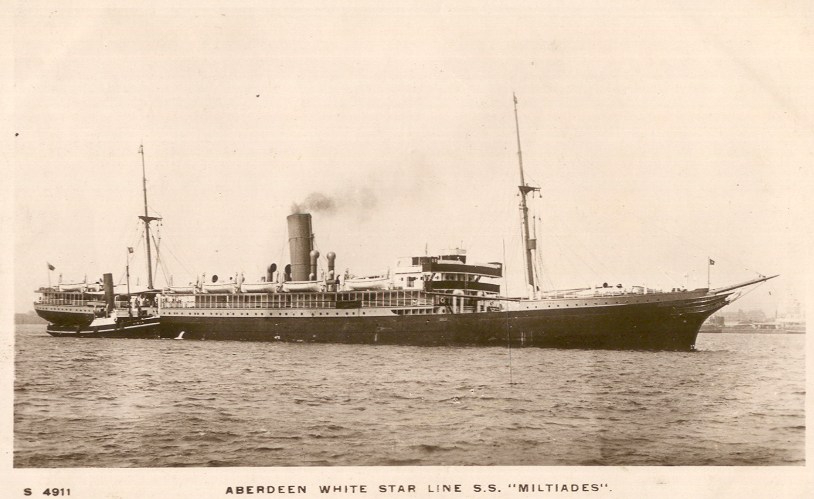
John’s older brother by seven years was Alfred John Moss, known as Alf. He would move to South Africa as a young man. John must have thought highly of Alf. He not only followed him to South Africa but also named his first son after him. John married Annie Mary Mitchell and they had two of their three children there. Their first child Doris was born in 1898 when he was 23. Alfred was born a few years later in 1902 when he was 27. On the 5th August 1903, John Moss Snr died aged 60 in Melbourne. In late 1905, John was 31. He and his older brother Alfred boarded the almost new SS Miltiades at Cape Town. They traveled with John’s two children and his heavily pregnant wife. The SS Miltiades was a fast, single funnel steamship, not long from the dockyards in Scotland where she’d been built. The family arrived in Melbourne on the 18th of December 1905. They had an extra set of hands. Annie Mary (29) gave birth to their last child, Thomas Bernard Miltiades Moss, aboard the ship. The shipping records reported them as English which wasn’t quite right as John was a native of Australia. I often heard this story when I was a child. It was about “Uncle Tom, who’d been born on a ship.” He would joke with his brother that he was neither from here nor there. It was always a good story. The Captain (T. F. Spalding) of the SS Miltiades had given Tom’s mother a silver cup to commemorate his birth aboard the ship.
John, his older brother Alfred, Annie Mary, and the three children would not stay in Melbourne. They were only there for a short time, perhaps as visitors. They came to see out their late fathers’ affairs with their siblings. By 1906, they were back in South Africa. The marriage of John and Annie Mary faltered at some point. The divorce was recorded (National Archives of South Africa) as Liquid Case Divorce. Annie Mary Moss (born Mitchell) versus John Henry Moss. As I understood it the children stayed with their mother Annie Mary and John went off on his own. They must have maintained contact. Some years later, John returned to Australia with his new family. He would take Tom with him reportedly at Annie Mary’s request. Meanwhile, the other two children remained in South Africa with their mother.
Mary Alice Mohan, Ireland to South Africa to Australia.
Mary Alice Mohan was born on the 1st of July 1872 in the ancient town of Drogheda in County Louth. Her parents were James Mohan and Bridget Duffy. (My grandfather (Joseph Patrick Moss) used to pronounce it to us as ‘dro-ch-hu-da’ with an emphasis on the ‘hu,’ so I think that’s how his mother would have pronounced it to him.)
Drogheda at the time Mary’s was born was a Catholic town in what was still British controlled territory. Mary was born and lived her younger years in Ireland. During her early life, Ireland was hotly agitating for political change. The push was strong, whether for total separation from England at any cost or certainly for Home Rule. I have found Mary recorded in various ways. She did this herself as well. Sometimes she was listed as Mary, Mary Alice, or Alice. Interestingly now I recall that we always referred to her as a family the same way my grandfather did. Which was she was always referred to as “Mary Alice”.
My research shows that my branch of the Mohan’s were fiercely patriotic. They proudly spoke both Irish and English. They could read and write. They supported each other through the good and the hard times. My great-grandmother begged my grandmother, her daughter-in-law, to keep the family in the Catholic faith. She had earnestly raised her children in this faith. What I have learned through my research is probably not devout adherence to religion. Instead, it is adherence to a set of values. These values guided how a family should be kept together no matter what. Maybe that is what she meant? I know that before he died, my grandfather told me one of the last things. He said, and I quote, “keep the family together, family is the most important thing.” I have endeavoured to do that throughout my life. I have repeated this tenet to my own family. I have come to believe now that this cultural rule came from our Mohan ancestors.


Mary was born on the 1st of July 1872. She was baptised at 3 days of age (4 July) in the local family church of St Mary’s Drogheda. Her parents James Mohan of Drogheda and Bridget Duffy also of Drogheda. I will note here that both the Mohan and Duffy family names are connected historically with Drogheda and Dublin. James’s occupation was that of a blacksmith. James and Bridget had seven known children. I say that because there may be more. Mary Alice Mohan (b. 1872), Joseph Mohan (b. 1873), James Mohan (b. 1875), Francis Mohan (b. 1877), Peter Mohan (b. 1879), Isabella Mohan (b. 1884), Alphonsa Mohan (b. 1887). From what I can ascertain from records they lived mostly at Mill Mount Terrace in Drogheda in those earliest years. Later the family (and at the time of James death in 1898) were living in Coola Street in Drogheda. One of their neighbours in Coola Street would have been the Burke family. Tom Burke the famous Irish revolutionary and sportsman was only a little boy when the Mohan family were there. He would go on to form the Drogheda branch of the Ireland Volunteers. His little brother Christopher (also a revolutionary and hunger striker) was a baby when James Mohan died. Like the Mohan’s, they lost their comfortable early life on Coola Street. Their father died in his forties. The loss of the family income forced them to move away to cheaper accommodation. The Mohan’s likely knew Tom and Christopher Burke and their family. It is probable that their sympathies were similar.
On the 27th of July 1898, James Mohan, a blacksmith, died at home in Coola Street. He had been acutely sick with pneumonia for over five days. He was forty-six years of age. His son Francis reported his death. To say that life changed significantly for the family would be no understatement.
Bridget was not isolated in Drogheda. I believe it was more likely that she did what families in hard times typically did. She, along with the remaining family at home, went and lived with other family members. In Bridget’s case, I believe she took her four children at home. She moved the twenty-eight miles south to Dublin city. Her son James, who was 25, lived there with his wife, Margaret O’Sullivan. Their children were at 58 Lower Gardiner Street, North Dock, Dublin North. His sister Mary Alice Mohan would be godmother to one of their children (her niece) Catherine Ethel Teresa Mohan (b. 1898 – d.1900) who died aged one year following two days of convulsions. James and Margaret’s home was bustling. It accommodated their own little family: Matthew, Michael, James, Patrick and Winifreda. I imagine James and Margaret gave Bridget as much support as they reasonably could.
By the time of the 1901 census, Bridget Mohan and four of her children had relocated to 61.8 Lower Gardiner Street, North Dock in Dublin North (north of the river Liffey). This was an area that included tenement buildings. It was in one of these tenement buildings that the Mohan’s now resided. They rented two rooms with the five of them living there. Mary Alice was 25, Isabella was 17. Francis 23 had assumed head of house. Alphonsa 14 was a scholar. Bridget marked as married, 50 years of age. Francis gave his trade as blacksmith which had been the same as his father. They could all read and write and except for Bridget they spoke Irish and English.
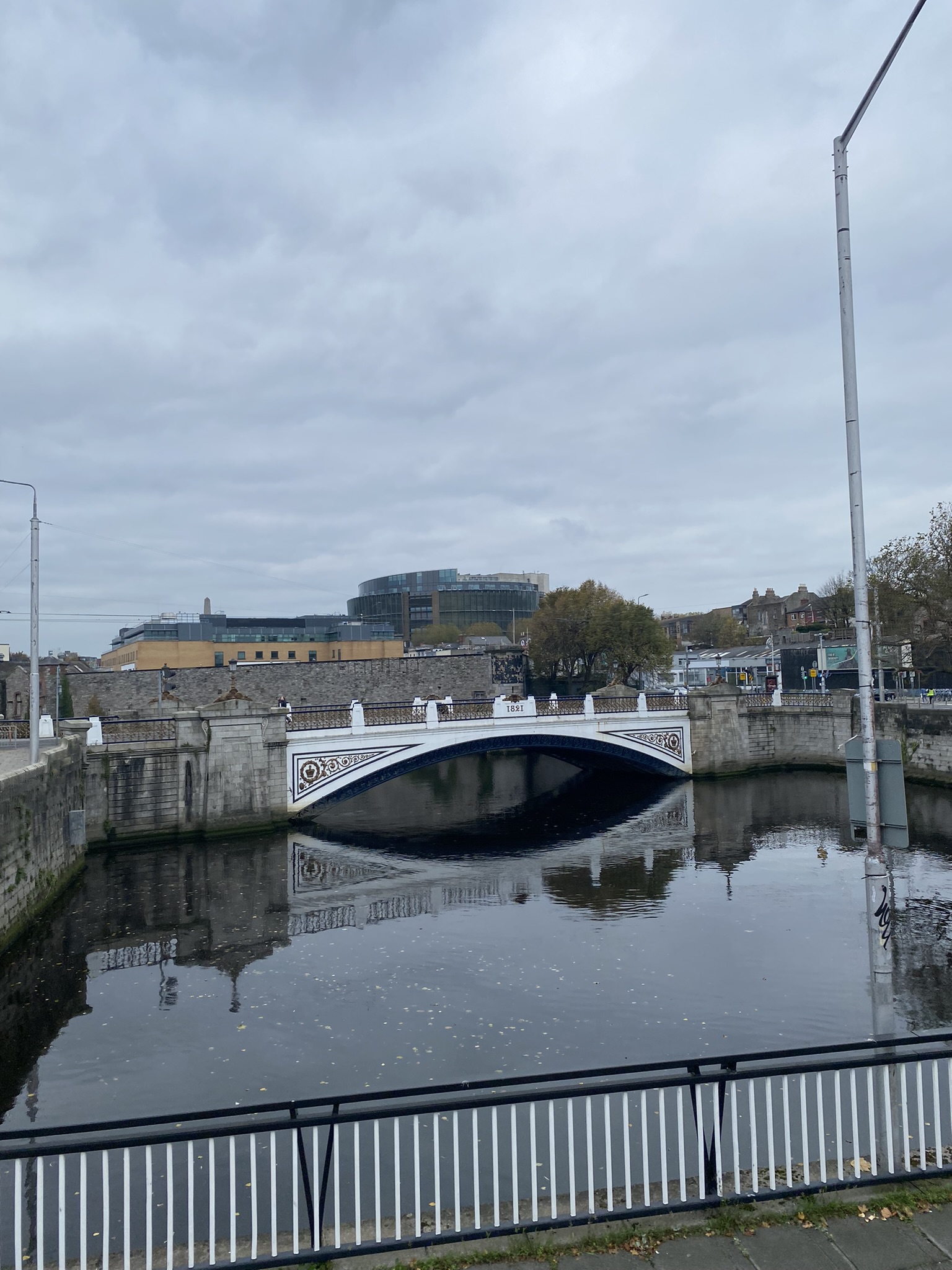
These were not the only family that Bridget had. The area of North Dock, Dublin, was well represented by Mohans. On 28 October 1902, Thomas Mohan lived at 42 Lower Gardiner Street Dublin. He married Alice Byrne, who also lived at 42 Lower Gardiner St Dublin. Thomas gave his father’s name as Sylvester Mohan and his mother as Anne Coyle. Bernard Mohan and his family (daughter Catherine Mohan) at 44 Lower Gardiner Street. She married Hugh Jackson (Bookbinder) 14 February 1900 her father Bernard’s occupation was recorded as a Manager. I think Bernard might have been a brother to James Mohan Snr (Bridget’s late husband.)
Lower Gardiner Street was near Henrietta Street. Henrietta Street also served as a tenement housing building. This was at the same time that the Mohan’s were residing in Lower Gardiner Street. Today, visitors can see what life was like in those times. They can explore the curated and preserved Henrietta Street Museum and Henrietta Street.
The 1901 census revealed Bridget and the children at 6.18 Lower Gardiner Street were:
- Mohan Isabella Lr. Gardiner Street North Dock Dublin 17 F Drogheda Traveller – Boots, Roman Catholic Read and write Irish and English Daughter Not Married
- Mohan Bridget Lr. Gardiner Street North Dock Dublin 50 F Drogheda No Business at Home Roman Catholic Read and write English Mother Married
- Mohan Alphonsus Lr. Gardiner Street North Dock Dublin 14 M Drogheda Scholar Roman Catholic Read and write Irish and English Son Not Married
- Mohan Mary Alice Lr. Gardiner Street North Dock Dublin 25 F Drogheda Traveller – Boots, Roman Catholic Read and write Irish and English Daughter Not Married
- Mohan Francis Lr. Gardiner Street North Dock Dublin 23 M Drogheda Black – Smith Roman Catholic Read and write Irish and English Head of Family Not Married


With a note to the comment on both Mary Alice and Isabella being ‘traveller boots’. Initially I thought this meant travelling salespeople. But that just seemed odd for women. A bit more digging could mean that they were with or identified as Irish Travellers? I need more information for this hypothesis.
A little more internet research has pointed to common historical Irish Traveller names. Ward, Connors, Carty, O’Brien, Cash, Coffey, Furey, MacDonagh & Mohan.
My grandfather said his Irish mother had told him that she was from a long line of Irish royalty. My grandfather also used to say his mother was the most wonderful story teller too! She was remembered by my grandfather as a person knowledgeable in spiritual matters. She was exceedingly devout in her prayers and praying routines. When Mary was talking about being a traveller on the census, was she talking about being an Irish Traveller? Irish Travellers are a distinct group not related to Romani or other European traveller communities. The original Irish Travellers were believed to have emerged as a group that formed following Cromwellian invasions of Ireland. They further solidified as a group after the 1840’s famine. At that time, families of lower incomes were forced onto the road to travel for work. Thus becoming the Irish Traveling community. Work in repairs and constructive or agricultural work and tin/metal smithing were notable features of this group. James Mohan worked during his time in Drogheda as a blacksmith and was also recorded as a boiler maker. Both metal working.
Tragedy would strike again. In May 1902, 15 year old Alphonsus Mohan was admitted to The Hospice Harold’s Cross in Dublin. He had phthisis of one month duration. This was tuberculosis. Almost every entry on the same page of death’s registered with Alphonsus had a similar description. They shared the same diagnosis of this highly contagious and terminal disease. It was rampant in the tenements.
Alphonsus was buried at Glasnevin cemetery in 1902. Finglas Road, Glasnevin, Dublin.- Glasnevin Cemetery is very well represented with Duffy’s and Mohan’s. It is only a reasonably short walk of up to 30 minutes from the tenements where the family were living. I can only imagine what a terrible time this was for the family.
From 1902 to 1911, Mary Alice had three known children of her own. Her husband was George Harold or Harold George Cave. Evelyn Alice Cave was born in 1909 in Ireland, according to her death record. Harold George Cave was born in 1910. George Alphonsus Cave, known during his life as Roger, was born in 1911. Born in Ireland at the Rotunda Hospital in Dublin with his father’s name recorded as Harry Cave, a labourer. The family understood that Mary had married Harold George Cave. He was a protestant. He had been lost in a snowstorm when the children were little. When Mary’s son George Alphonse Cave was born in 1911, she recorded her address as 25 Synnot Place. In 1915, her son James Henry Moss was born at the Rotunda Hospital. Mary gave her address as 25 Synnot Place, Dublin. She listed her spouse as John Henry Moss, aged 41. The Rotunda Hospital is only a fifteen minute walk from Synnot Place. This explains why Mary was staying with her mother so close to the hospital.
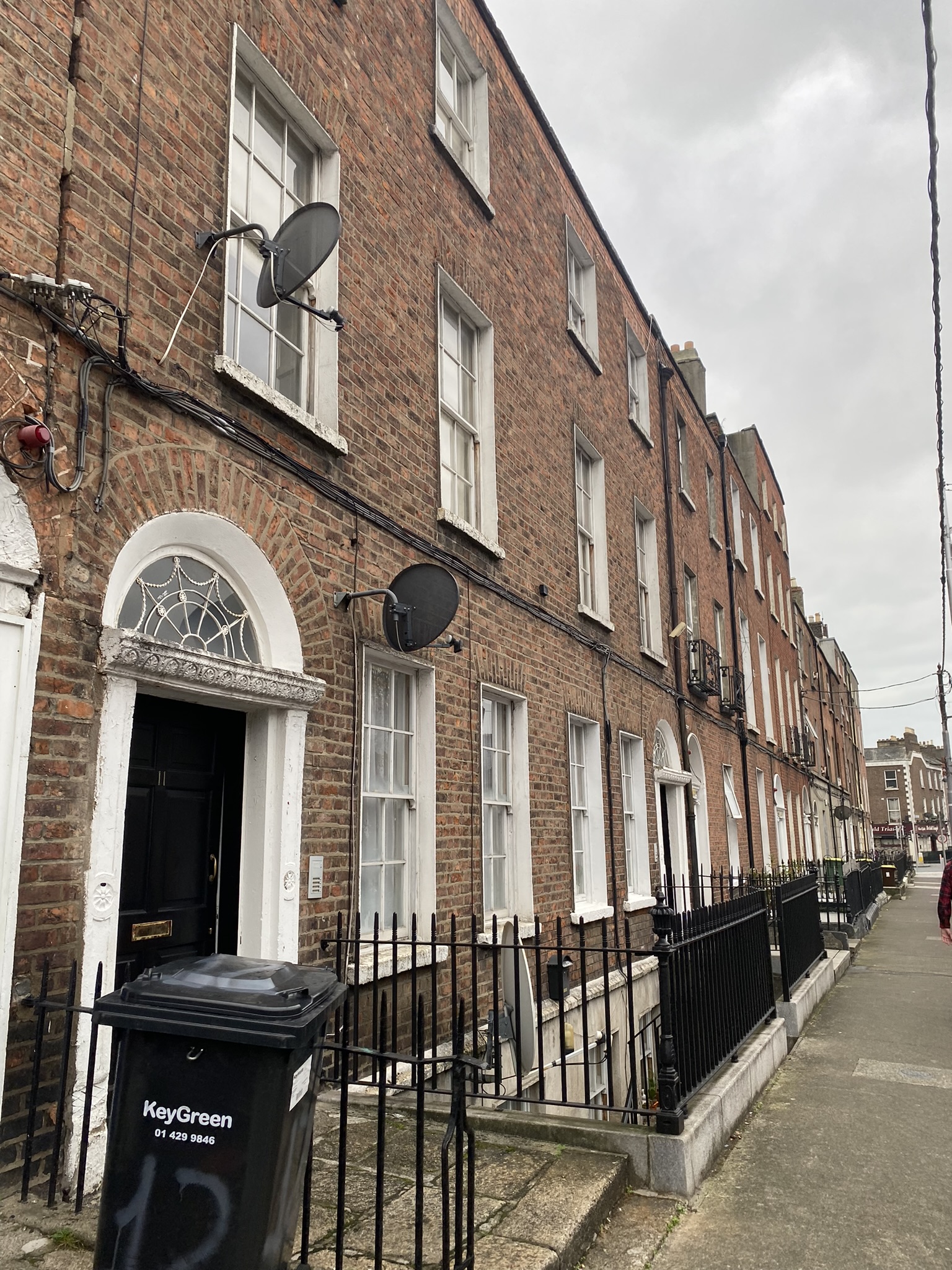
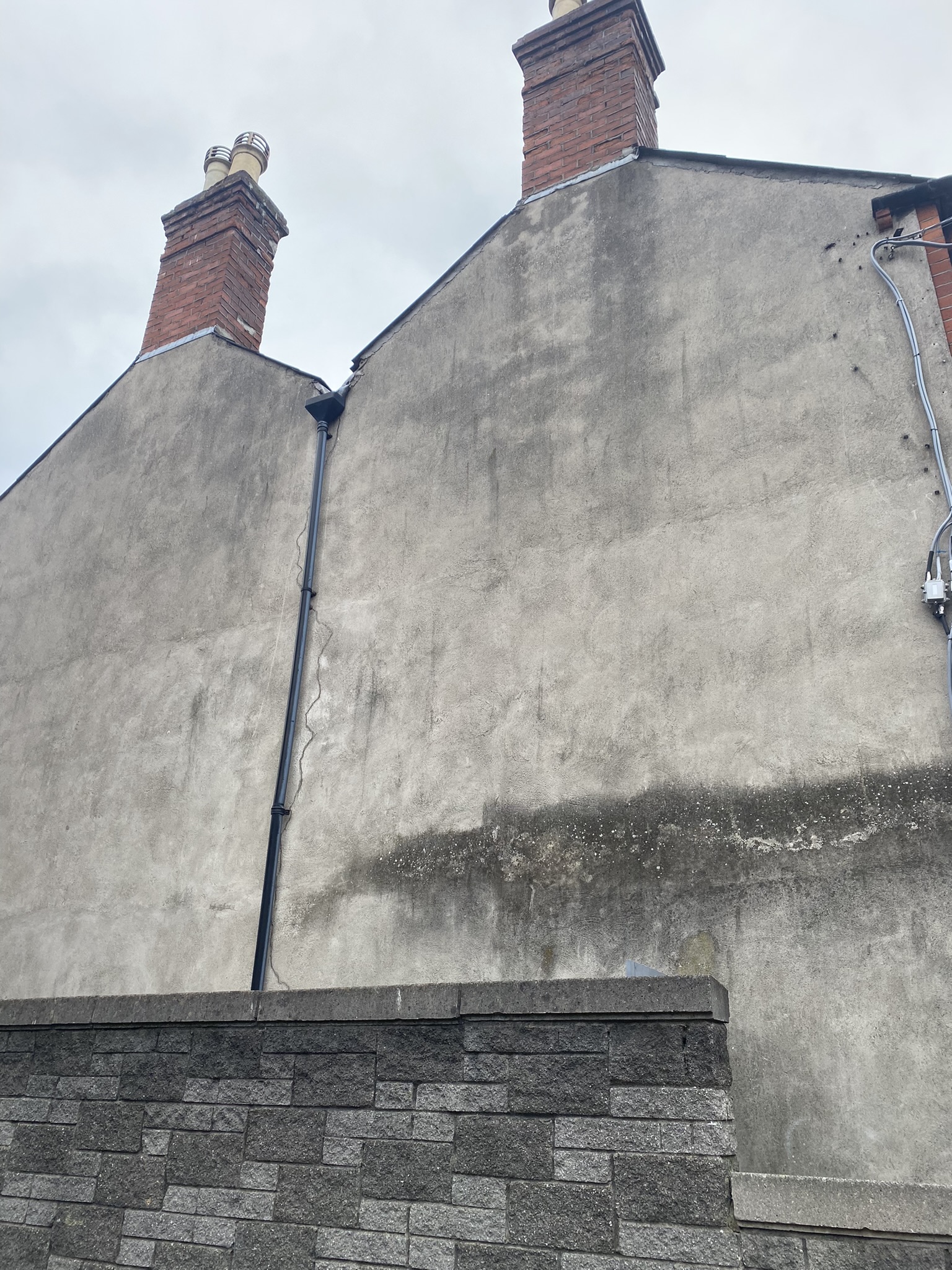
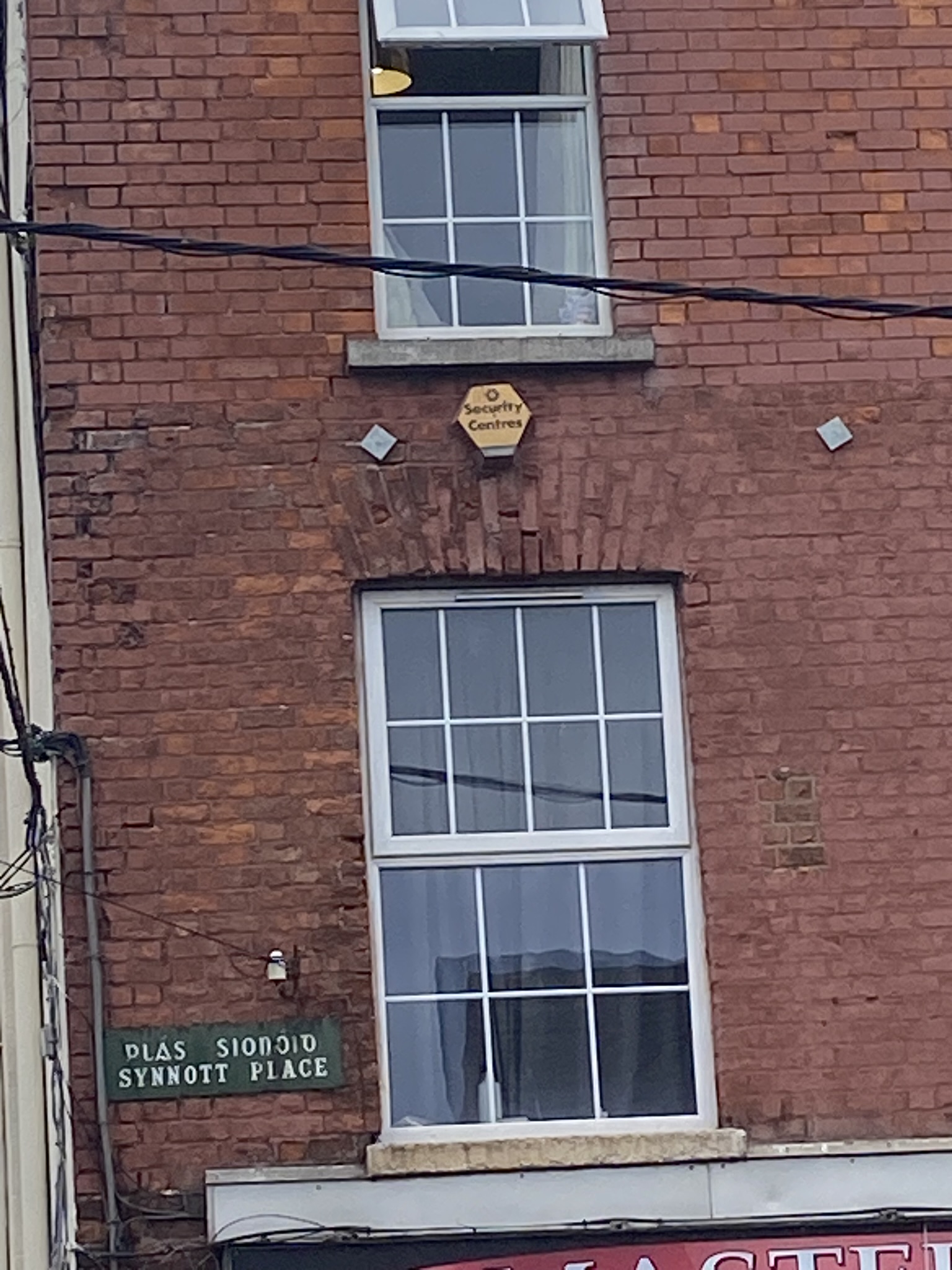
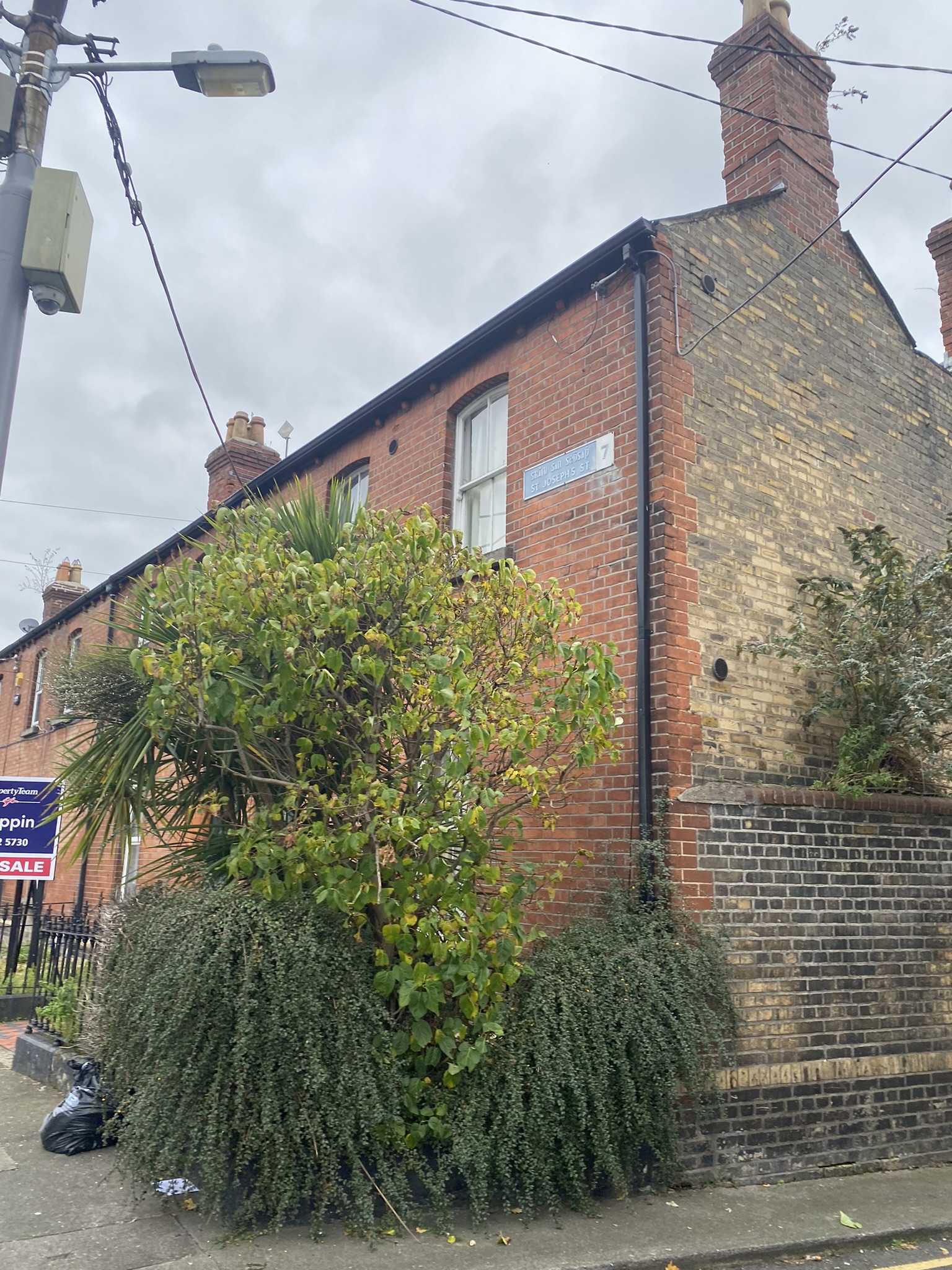


The 1911 Census showed Mrs. Bridget Mohan, aged 67, resided in a large, converted house at 25 Synnot Place. She was recorded as a widow. City of Dublin, North Dublin, Inns Quay, St George Parish, College Green. Bridget reported that she could read and write and was a native of County Meath. That she had had eight children, two of whom were living (?) The building was recorded as a private house with sixteen windows and a permanent dwelling. What’s important to note is that this was tenement housing. Seven families lived in this house conversion. Mary Hamilton occupied one room with a family of three. Mary Reavey occupied one room, a family of one. Kate Hand occupied two rooms a family of two. James Collins occupied two rooms, a family of three. John Keane occupied three rooms, a family of three. Thomas F. Walton occupied one room, a family of two. Bridget Mohan occupied one room a family of one. Mary O’ Kelly occupied twelve rooms a family of three. Researching the history of Synnot Place. I’ve located some records detailing some of its residents during the years. The Mohan family was linked to Synnot Place.
- 1899 25 Synnot Place, Dublin. Elizabeth O’Neill. Rated Occupier,
- 1908 25 Synnot Place, Dublin. House and yard. Michael Sullivan. Rated Occupier,
- 1910 25 Synnot Place, Dublin. John Kane. Rents top floor.
- 1911 25 Synnot Place, Dublin. John Kane. Top floor inhabitant.
- 1912 25 Synnot Place, Dublin. House and yard. Michael Sullivan. Rated Occupier.
- 1913 25 Synnot Place, Dublin. House and yard. Michael Sullivan. Rated Occupier (crossed out),
- 1913 25 Synnot Place, Dublin. James Collins inhabitant/householder. First Floor.
- 1914 no entries for number 25.
- 1915 no entries for number 25. Mary Alice Mohan gave this address as her home address. This happened when her son James was born.
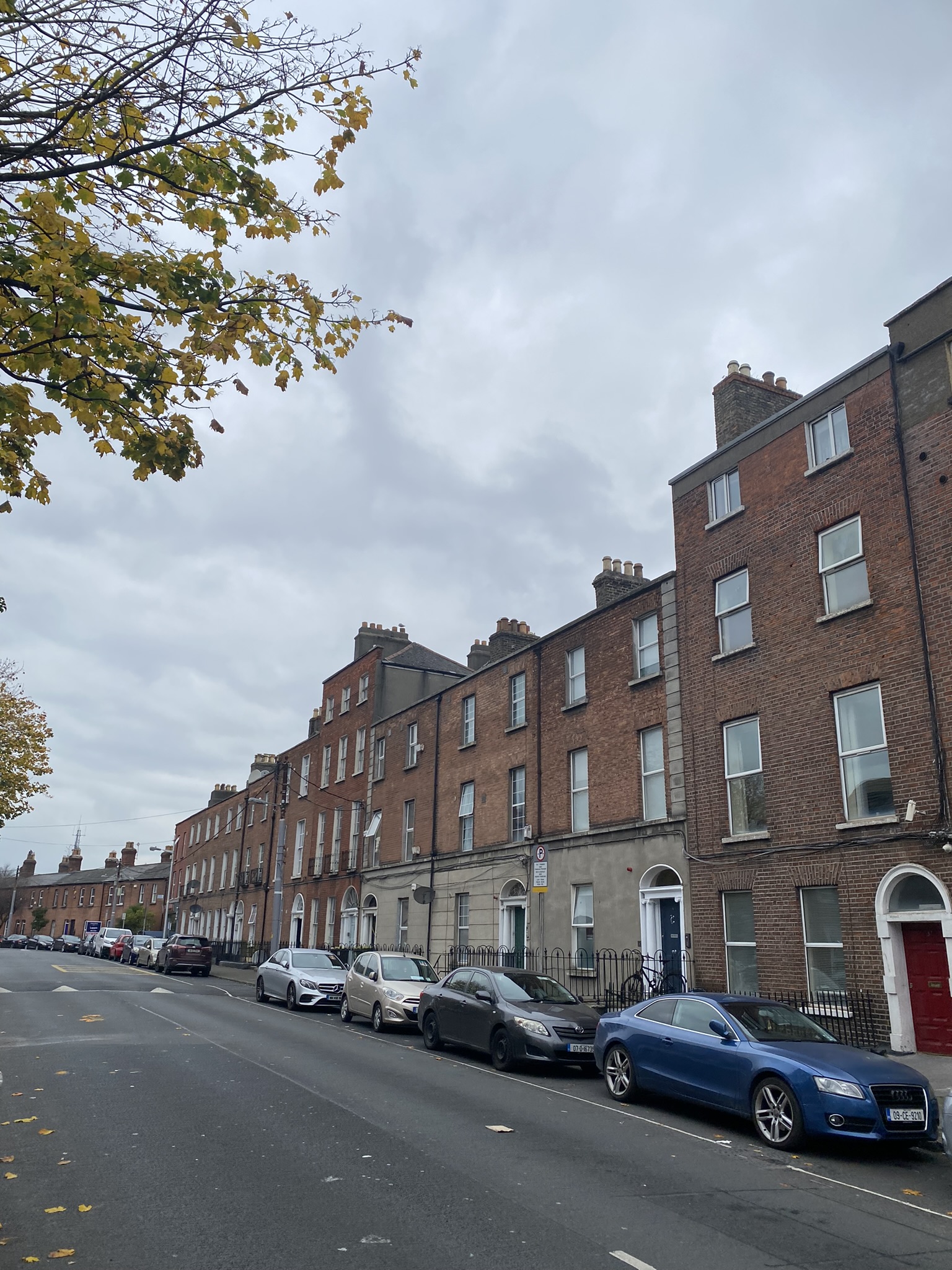
In the 1911 Census, Mary Alice’s younger brother Francis Mohan resided at a house. It was number 14 in Abercorn Road, Off Sheriff Street, Upper (North Dock, Dublin). Along with his wife Mary, aged 34 and also of County Louth. Their children, Mary Frances (aged 8) a scholar born in Dublin City. Their son William (aged 6) a scholar born in Dublin City. A son Francis aged 3 born in Dublin City a daughter Annie aged 2 born in Dublin City. They also had a boarder Patrick Curran aged 31 who resided with them. Francis had three rooms and seven of them living there. He gave his occupation as a blacksmith.

Trying to find census records for the early years of Mary Alice’s life has proven frustratingly difficult. Quoting directly below from National Archives Ireland – Census Records
Below is a simply amazing one-hour documentary from RTE Eire. You can watch it on YouTube. It provides insight into what was happening in Dublin during the time Mary Alice Mohan and her family were there. (This is not my work at all.)
Mary Alice Mohan – South Africa.
Around 1914, Mary Alice Cave (Mohan) traveled to South Africa with her cousin, Mrs. Duffy. The family story was that Mary was accompanying Mrs. Duffy as a traveling companion. Her cousin died onboard the ship on the way out. She was unceremoniously tipped over the ship along with her belongings. This was due to her having a communicable disease. The captain of the ship feared it would take down the whole of the population onboard. Mary was stuck in South Africa. She had left her three children with her mother in Dublin in Ireland. A family story was that she answered a newspaper advertisement for a housekeeper for a Mr JH Moss.
Mary took a job as a housekeeper to John and looked after his three children. I don’t know why he had all three children in his custody. Later, when John and Mary left for Australia, two of them would remain in South Africa with their mother. Mary and John got together and she went back to Ireland to collect her children from Dublin. Whilst she was there in 1915 young James Henry or Jim as he was always known was born. She came back to South Africa. A few years later, in 1916, my grandfather Joseph Patrick was born in South Africa. (My side of the family always knew him as Patrick or Pat). Whilst they were there John and Mary reportedly managed one of the first cinemas in Johannesburg. They also operated an ostrich farm in Pretoria. Ostrich feathers being highly sought after fashion accessories.

Mary Alice Mohan, photograph taken 1916
They returned to Australia aboard the Ascanius on the 15th October 1917. They were accompanied by Mary’s eldest children. They also had John’s son Tom and their two small boys, James and Joseph. Doris and Alfred stayed behind in Africa with their mother. The family embarked from Durban in South Africa. John’s occupation was given as Engineer, and he was aged 44. He was accompanied by his wife, who was aged 37 and Irish. Tom aged 10, Harry aged 8, Eva aged 7, Alphonsus aged 5, James aged 2 and Joseph aged 1.
In 1919 the family were living at 21 Murphy St Elsternwick South. Occupation listed as a Traveller. Doubtful that the home currently on the property is the house that the Moss family lived in. He must have voted that year as he is ticked off the electoral roll.
Back in Australia, Mary was a tiny feisty woman. She was known for being able to take on both big and small opponents. She would take the youngest of her children to the markets. She put them outside the crowd with great baskets. Then, she would slip in under the elbows of her taller counterparts. She reached the front of the crowd. She haggled for what she needed. Then she slipped back out, filling up the baskets. She returned to the foray again.
Her sparkling green eyes would dash with anger. This happened if any accusations were made against her children, whether true or false. She became famous for chasing a policeman with a broom. This occurred after he made a claim against one of her boys. At other times, she would drop to her knees and start praying the Angelus. She insisted that the Policeman join her. This gave her boys enough time to leap over the back fence and make a quick getaway. They weren’t bad boys. In fact, they were very clever and bright for the time. Harry, with a keen engineering mind, knew how to unhook the mains electricity. He could re-route it to where he was conducting experiments, etc.
Another time when they were operating a boarding house, a traveler couldn’t pay his way. So, he gave up his gun instead of payment. Mary waited until her husband was gone. She had the boys go and throw it in the Yarra River. She feared that it would turn up in the home. The old man reportedly had a quick temper. He also had a fondness for the bottle. Mary felt that a gun in the house was not a good idea. Afterwards, the boys were quite young. They all left home to make their own way in the world.
Elsternwick – From 1924 through to 1928 the family resided at 21 Murphys Street Elsternwick (now Brighton). The house is long gone, now replaced with a modern dwelling. John was listed as a Traveler and for the first-time Mary appears at the same address with him as Mrs. Moss who is recorded with her occupation being home duties. Mary was eligible to vote at this time. On the 28th March 1923, John was recorded in The Herald Sun. He was listed with creditors for Insolvency Court. Whatever issues were being addressed they must have been settled as the family remained living at their home until 1928.
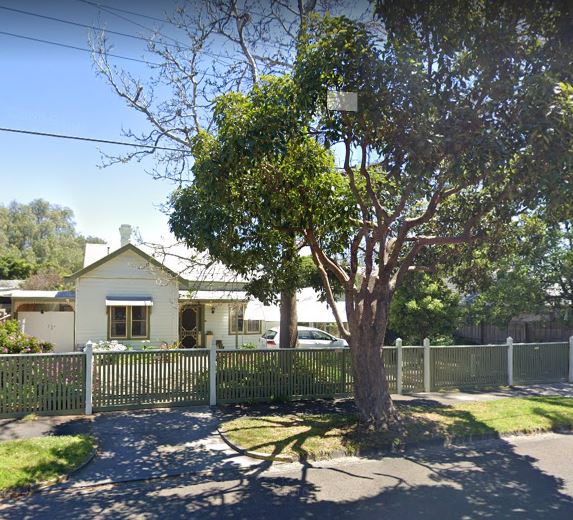
By 1931 the family had moved to 39 Beaconsfield Parade St Kilda. John is listed as Proprietor and Mary as Home Duties. This may well have been the boarding house that they owned that my Grandfather used to talk about. The area is now known as Albert Park. Whatever gracious old building stood there has been replaced by a monolithic charcoal box. Saved from complete beige appeal due to its position overlooking Port Phillip Bay.
Careers of John included Fitter and Turner. He was also a Hotel/boarding house Proprietor, advised by JP Moss. The family lived in areas from St Kilda down as far as Gardenvale.
The wedding of Mary’s daughter Eva in 1935 made the papers and must have brought some considerable happiness. Wedding; Evans-Cave. Deep creamy magnolias were carried by Miss Evelyn Cave at her marriage yesterday at Scots Church to Robert H., only son of Mr. Evan Evans, of Boston Manor, Middlesex, England. The bride is the only daughter of the late Mr. Harold Cave, of * Flatin Hill, (they mean’t Platten Hall but hey why quibble), Drogheda, Ireland, and of Mrs. J. H. Moss, of Springvale. The Rev. Dr. W. Borland officiated at the ceremony, and the bride was given away by Mr. George Bowcher. The lovely bridal gown was of glimmering satin with the rich sheen of magnolia petals, and it was fashioned in clever draperies with a soft shirring of tulle across the front of the bodice. The skirt was cut with a square panel extending to a long train. From a half-circlet of orange blossom across the back of the head clouds of misty tulle fell to veil the satin train. Pale water-lily green satin, cut to the new inverted wine-glass silhouette, fashioned the dress worn by the matron-of-honour, Mrs. George D.Bowcher. Softness was given to the bodice by a filmy cape of pleated chiffon, caught at the throat with a lei of pink water lilies, and a posy of water lilies was car- ried. The best man was Mr. Laurie Strickland. The bride’s mother wore a graceful frock of deep blue chiffon relieved with touches of white, and she carried a posy of pansies. After the ceremony Mrs. G. D. Bowcher and Miss N. Merrix entertained a few intimate friends of the bride and bridegroom at Victoria Hall, St. Kilda Road.
Source . Trove NLA. “The Argus”
* Not quite sure what connection Cave had to Platten Hall. Platten Hall was owned by the Gradwell family. This was located in Drogheda. The Mohan family had no connection to it. They might have been tenants of the Gradwell family nearby.
By 1935 John had purchased a chicken farming property on Clark Road Springvale. John and Mary had moved to what was then the rural area of Melbourne’s fringes. This was not unusual. Much of Clarke Road in Springvale was well-known for chicken and egg production during the 1920s and 1930s in Melbourne. John was listed as a Farmer and Mary as Home Duties. Not long after this John left Mary on the farm and returned to Melbourne. He did however maintain workers to work the farm. Mary at the time did not keep good health.
Mary died on the 5th June 1939 at Clark Road, Springvale. Her cause of death was Erysipelas, Coronary Thrombosis, and Cardiac Failure. Length of illness 7 days. Dr Luth attended. My certificate was obtained from BDM in 1998.
Mrs. Moss Snr., of Clarke Road, Springvale South, died suddenly on Monday afternoon, and deep sympathy is felt toward the bereaved. 7 June 1939, The Dandenong Journal.
Placed in the Argus & The Age on the 7th June.
MOSS – On the 5th June at her residence Clarke Road, Springvale, Mary Alice, dearly beloved wife of John Henry Moss, loving mother of Evelyn (Mrs Evans), Harold, George, James and Joseph (private funeral) Rest in Peace.
The Age 12 Jun 1939
MOSS- Mr. J. H. Moss and FAMILY wish to THANK all relatives ande friends for floral tributes, telegrams and letters, cards and personal expressions of sympathy in their recent sad bereavement. Would all please accept this as a personal expression of their sincere gratitude. Clark-road. Spring Vale South.
Mary was buried in the Catholic section lawn cemetery at the Springvale Cemetary (Necropolis) 6 June 1939 in perpetuity. Unmarked grave. Burial Site RC”A” Plot 8. Mary was 66 when she died. I’ve been to visit my great grandmother’s grave. It is a peaceful place. I imagine her life was quite a journey. She traveled many countries. Eventually, she settled in a home in far away Australia.
MOTOR-CYCLIST INJURED, Mr Moss, well-known poultry farmer, of Clarke road, Spring Vale, suffered a painful accident last week when his motor cycle collided with a buggy. Mr Moss received a fractured jaw, injured leg and bodily bruises and is still confined to hospital. 27 September, 1939, The Dandenong Journal.
At the time John was said to have had a lady friend a Mrs Ruffy (not sure of spelling) who was supposed to be his housekeeper. What is known is that she cleaned out Mary’s home of most of her treasured antiques and collectibles before the family could finish paying their respects to their deceased mother.
By 1941, John was selling the chicken farm at Clarke Road in Springvale. This was recorded in the Frankston Standard.
Clearing Sale
Mr. J. H. Moss, of Springvale, and his four sons being engaged in specialised war work, his complete stock of 1,200 W.L. pullets, breeding hens and cockerels is to be sold unreserved at Parnham’s, Bentleigh, this Saturday, at 2 p:m. Buyers’ opportunity
30 May 1941
The Clark Road property went up for sale within two months. John had another motor vehicle accident, which caused some significant injury.
The Dandenong Journal, Wed, 2 April 1941.
CAR OVERTURNS
In trying to dodge another car near Mackay’s store at Spring Vale South on Monday afternoon, Mr J. Moss, of Clark Road., overturned his small Austin car and was pinned underneath until released. His ribs were crushed and he received bodily bruises, necessitating medical attention from Dr. Luth
(23rd August, 1943, The Argus). JHM Formerly of 33 Warley Road Malvern, but late of 48 Burke Road, East Malvern, Engineer. Deceased. Who died on the 27th June, 1943. – Creditors, next-of-kin, and all other persons having claims against the estate of the deceased are required by the National Trustees, Executors and Agency Company of Australasia Limited, shose registered office is at 95 Queen Street, Melbourne and Harold Cave of 51 Kilby Road, North Kew, engineer who have made application to the registrar of Probates for a grant of probate of the will and codicil of the said deceased (they being the executros named in and applies by the said will to send particulars to the said company and the said Harold Cave will distribute the assets, having regard only to the claims of which they then have notice. Weigall & Crowther 459 Chancery Lane, Melbourne Solicitors for the applicant. Harold Cave.
Purely as an interesting snippet, my grandfather had said that his father’s family motto had been ‘bricks and mortar’ as to what that meant or indicated I cannot say. Before my grandparents married my great-grandmother asked my grandmother to make sure her son always prayed and stayed a Catholic with a strong sense of faith and to be the good man she had raised him to be. She did, and he did.
In 1943 John died. His registration no on Death Cert is 6348. Aged 69. His last address was given as East Melbourne. At this time there appears to be some question as to where he died. However my grandfather remembered his funeral well and that he was buried at the Brighton cemetery. 29th June 1943. Buried in the Methodist Section Brighton Cemetary index number: 38793
 Yews to Eucalypts