Robert Hay was born on the 31st March 1774, the fifth child to James Hay and Anne Riach. Robert was born in the parish of Kirkmichael in the county of Banffshire in north-east Scotland.
Robert’s siblings were
Isobel Hay b. 1764,
John Hay b. 1766,
Nathaniel Hay b. 1769,
William Hay, b. 1771,
James Hay b. 1780,
Barbara Hay b. 1785.
Robert’s first family with Katharine Ogilvy.
On the 21st March 1798 aged 24, Robert married Katharine Ogilvy in Forfar, Angus, Scotland. Forfar being just over thirty six mile northeast from where he’d been born.
Robert and Katherine had two children Barbara (1798-1860) and Ann (1801-1891). Barbara and Ann would go on to have large families of their own and remain in Scotland. Ann married David Ireland and Barbara married Robert Wedderburn.
Katharine and Robert were separated in 1801 while Ann was still a baby after Robert was arrested. The year following Robert’s transportation 19th of August 1804 married Thomas Ewart in Alyth. Katharine and Thomas would have more children of their own. Katharine outlived Robert dying in 1855 at the age of seventy-seven.
During their marriage Robert worked as a Carrier. He would have spent long periods away from home. His work involved transporting stock from one destination to another by cart or wagon.
The Edinburgh Advertiser, Fri, 24 April, 1801
Robert Hay, carrier in Alyth accused of theft. The Jury found the libel against him Not Proven and he was acquitted.
Perth Court Judiciary.
The Edinburgh Advertiser, Tu, 27 Oct,, 1801
Robert Hay, alias James Colvin, was found guilty upon his confession of sheep stealing. He had stolen about forty sheep at different times. The libel was restricted and the prisoner sentenced to be transported for 14 years.
On 10th October 1801 aged 27 Robert was tried for sheep stealing. The trial took place at the Perth Court of Judiciary in Perthshire, Scotland. Robert would at times use the alias James Colvan, which was spelled James Coleen and James Colvin on different records. There was another charge that same day. It was related to burglary and theft of 10 pounds, mostly in Perth guinea notes. The money was stolen from a locked chest belonging to Joseph Dryburn at Boat of Bardmoney, Alyth.
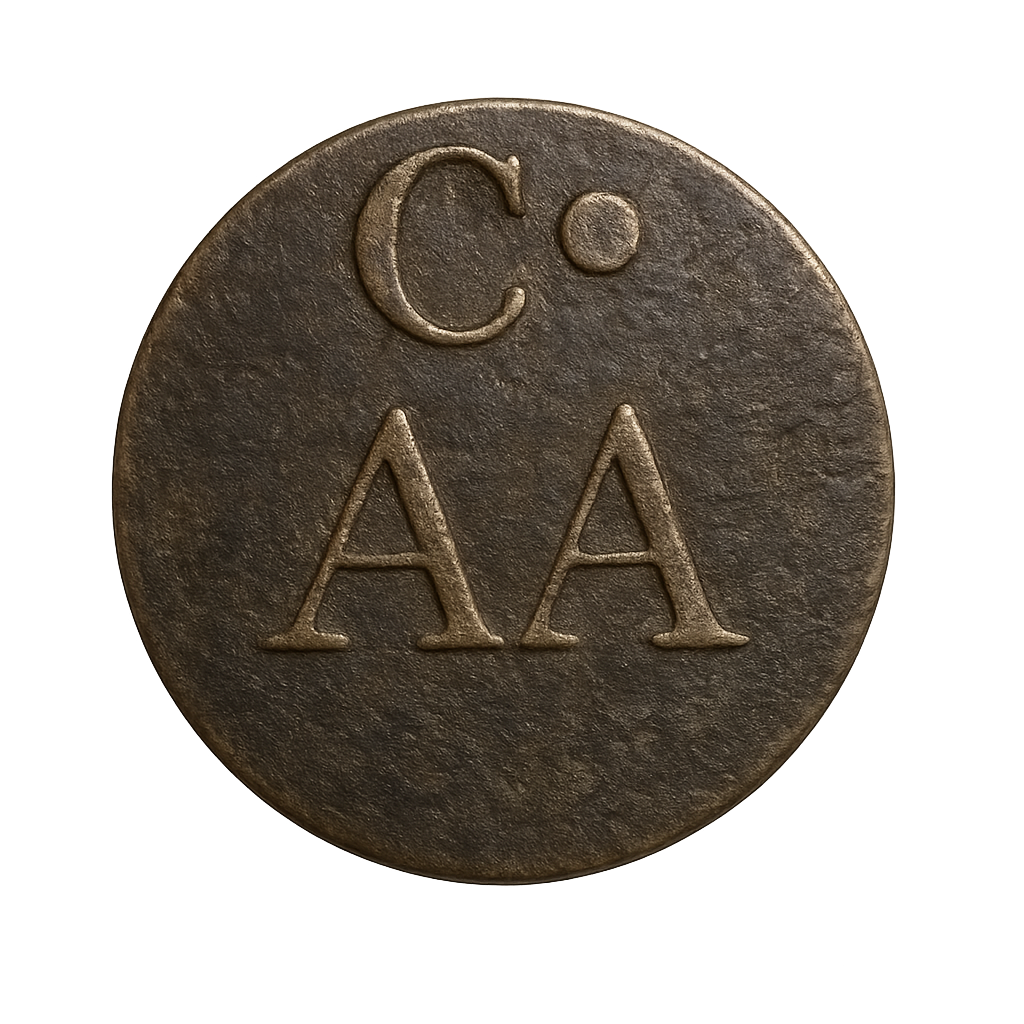
As a consequence of these convictions Robert was sentenced to 14 years transportation to Australia. He was gaoled at the Perth Tollbooth prior to embarkation.
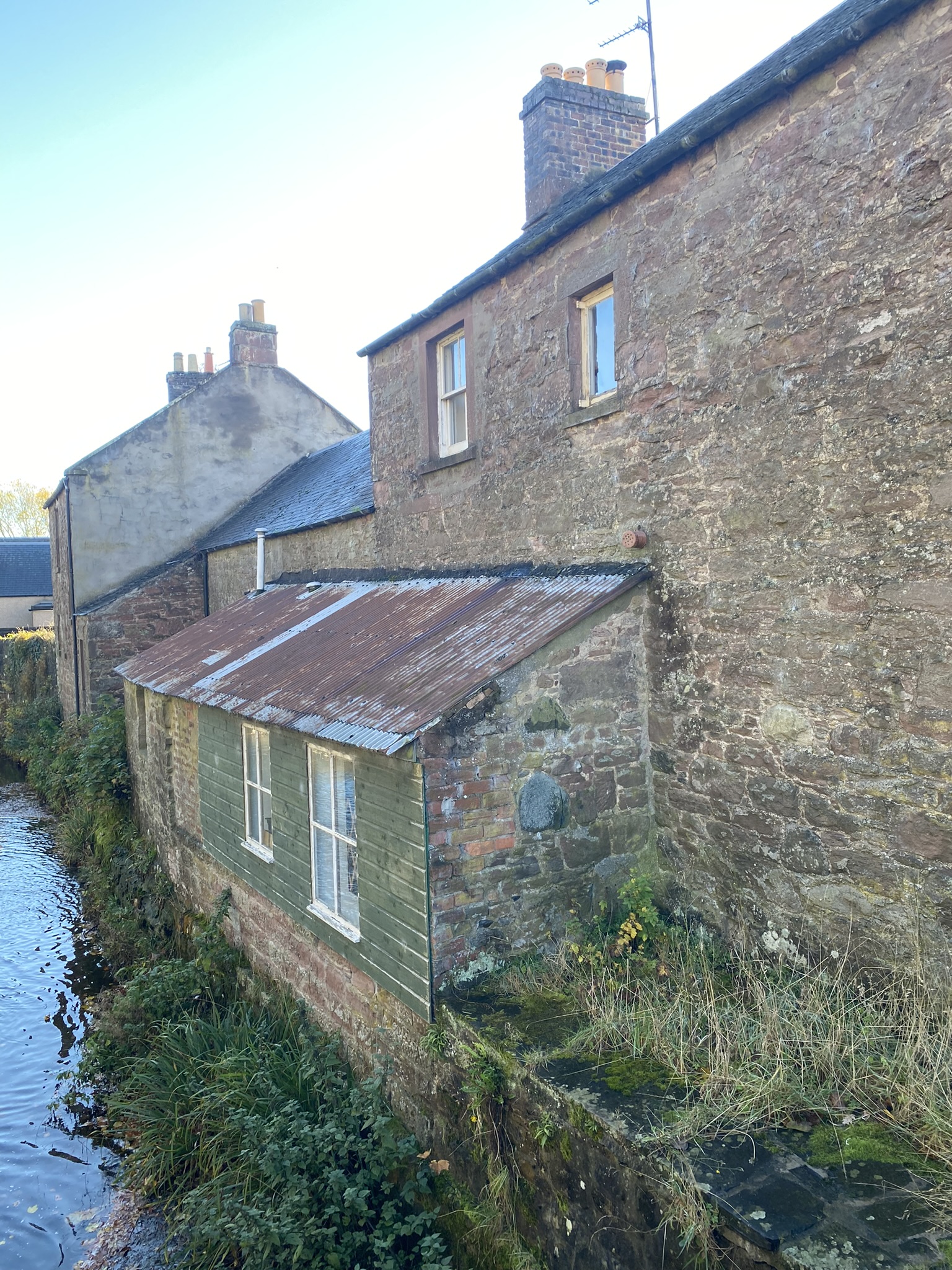
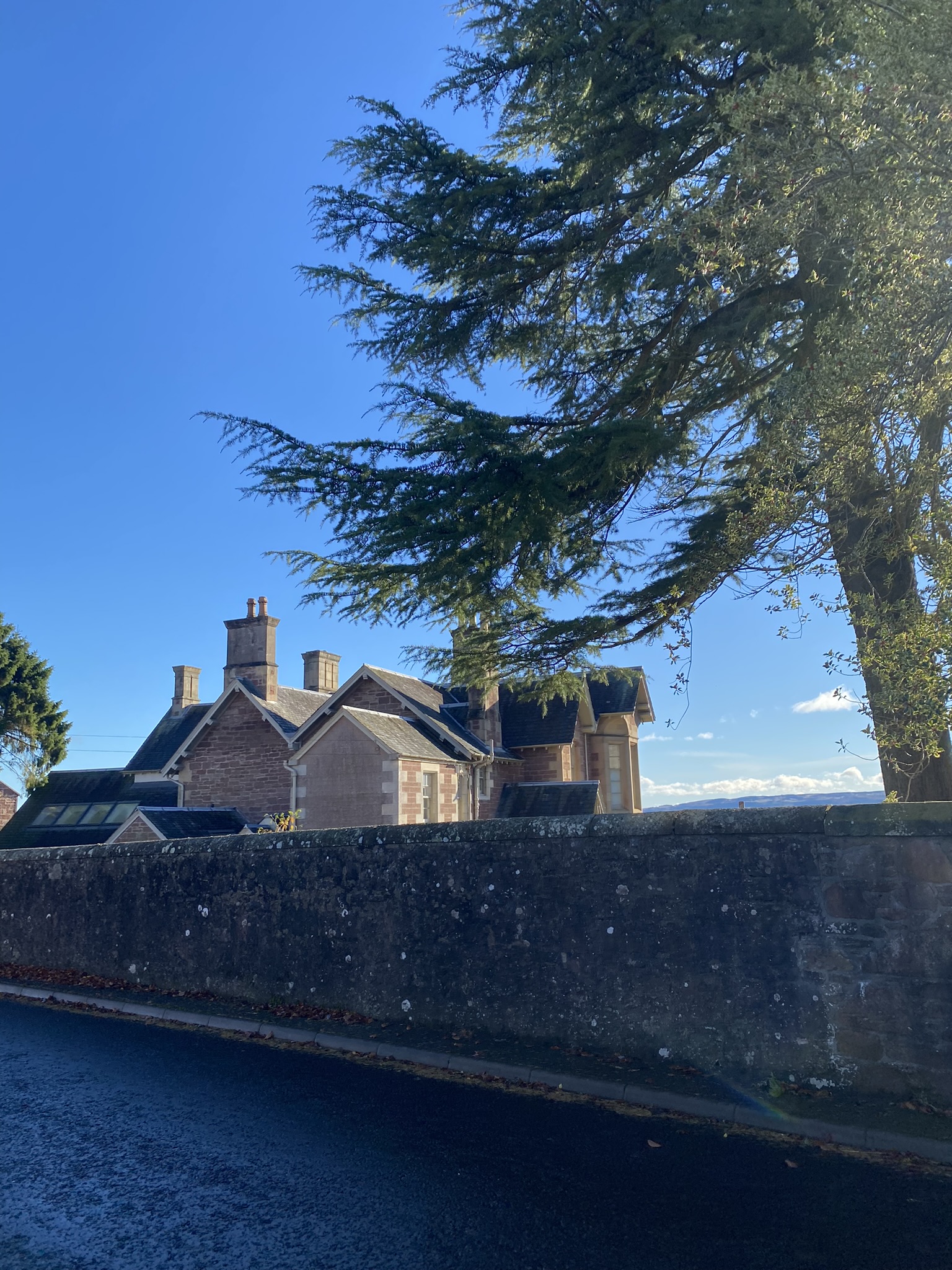
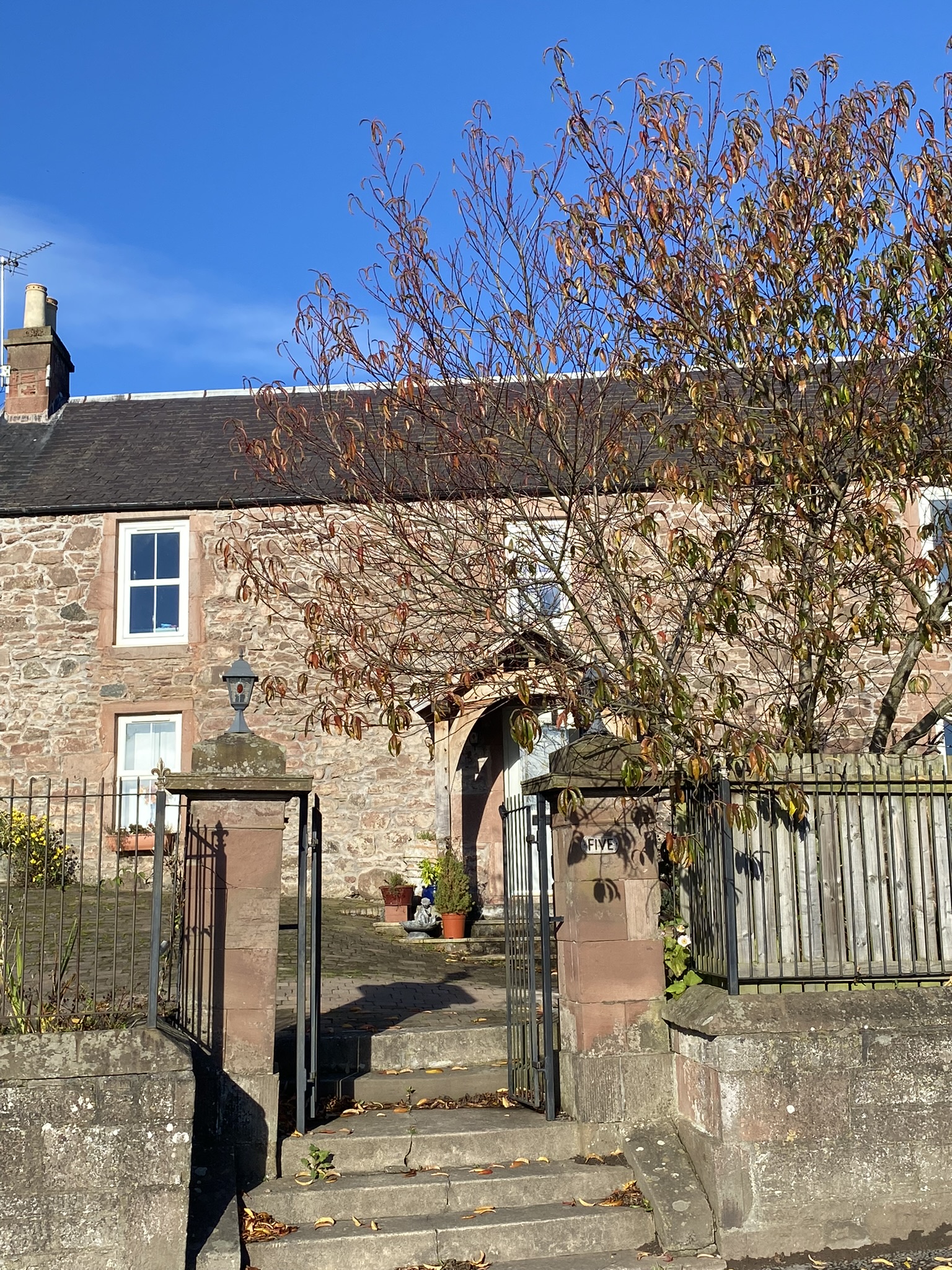
Alyth, Perthshire, Scotland.
Robert’s record stated he was aged 28 and a Carrier. He literate, and lived in Alyth, a small village in Perthshire.
When Robert was arrested his children were only babies, indeed Ann was only a newborn. One can only guess what conversations occurred between Robert and Katherine following his arrest.

On the 24th April 1803 Robert left Scotland never returning. I’ve yet to find any evidence that he maintained contact with Katherine and his daughters upon leaving Scotland. On board the Calcutta, Robert sailed from Portsmouth. He sailed with 307 males 7 of whom died on board.

The Sullivan’s Bay Settlement.
The ships Calcutta and Ocean arrived in Port Phillip Bay on the 9th October 1803. This marked the first British mainland settlement. The plan was to set up a settlement at the newly named Sullivan’s Cove. Both convicts, military and free settlers were included on the manifest of passengers.
In February 1803 before our Robert reached what is now Victoria, Australia, William Bowen sailed into Westernport Bay on a scouting mission.
After this expedition the Calcutta and Ocean would arrive in a natural harbour already populated. The Boonewrung people had prior to the Europeans arrival lived and thrived in the well-stocked area for thousands of years.
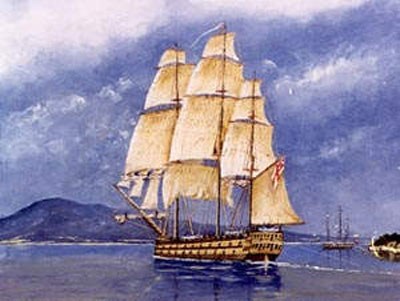
(Sorrento – 2020, Victoria, Australia, Sullivan’s Cove Historical Site)
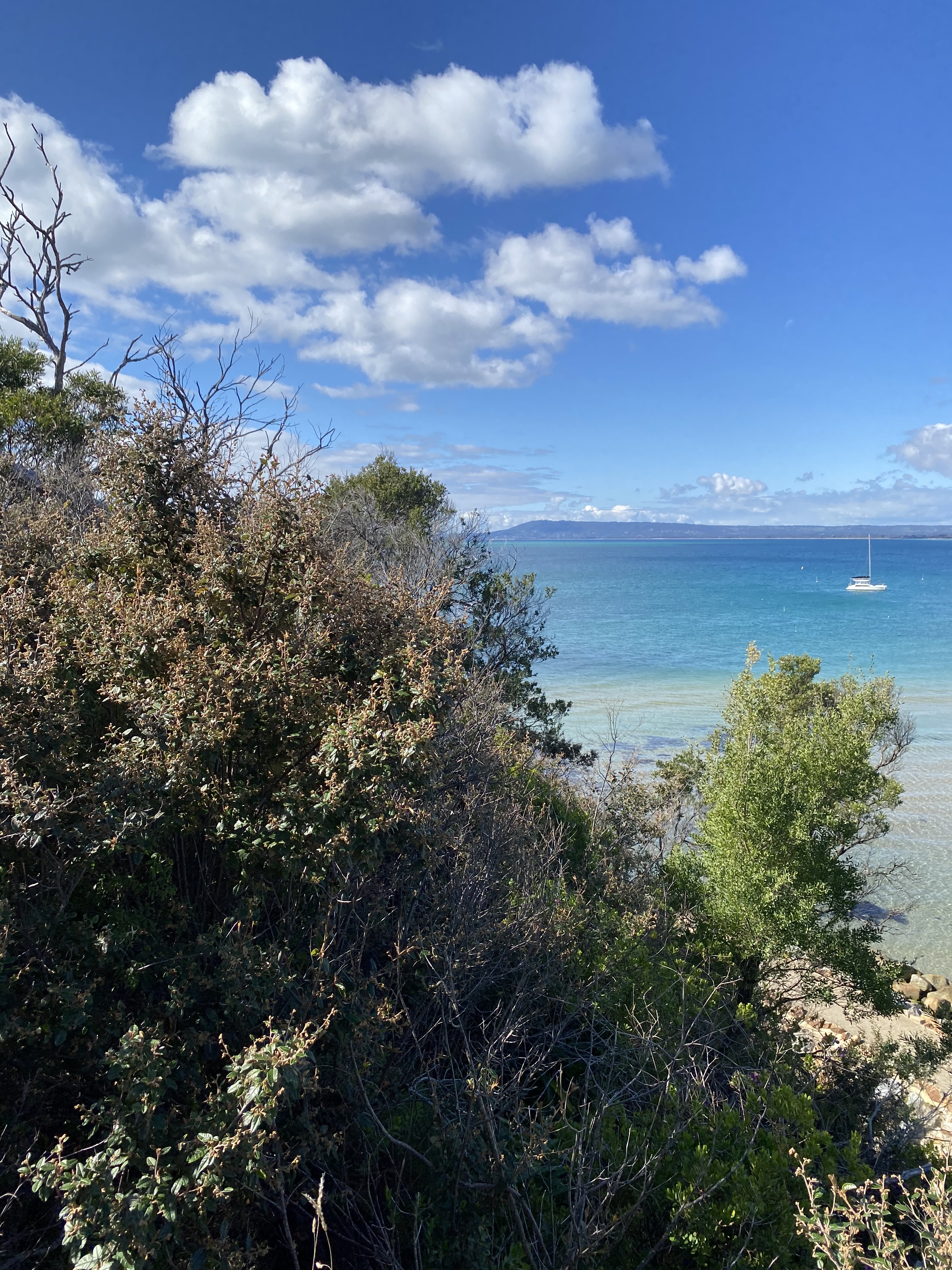
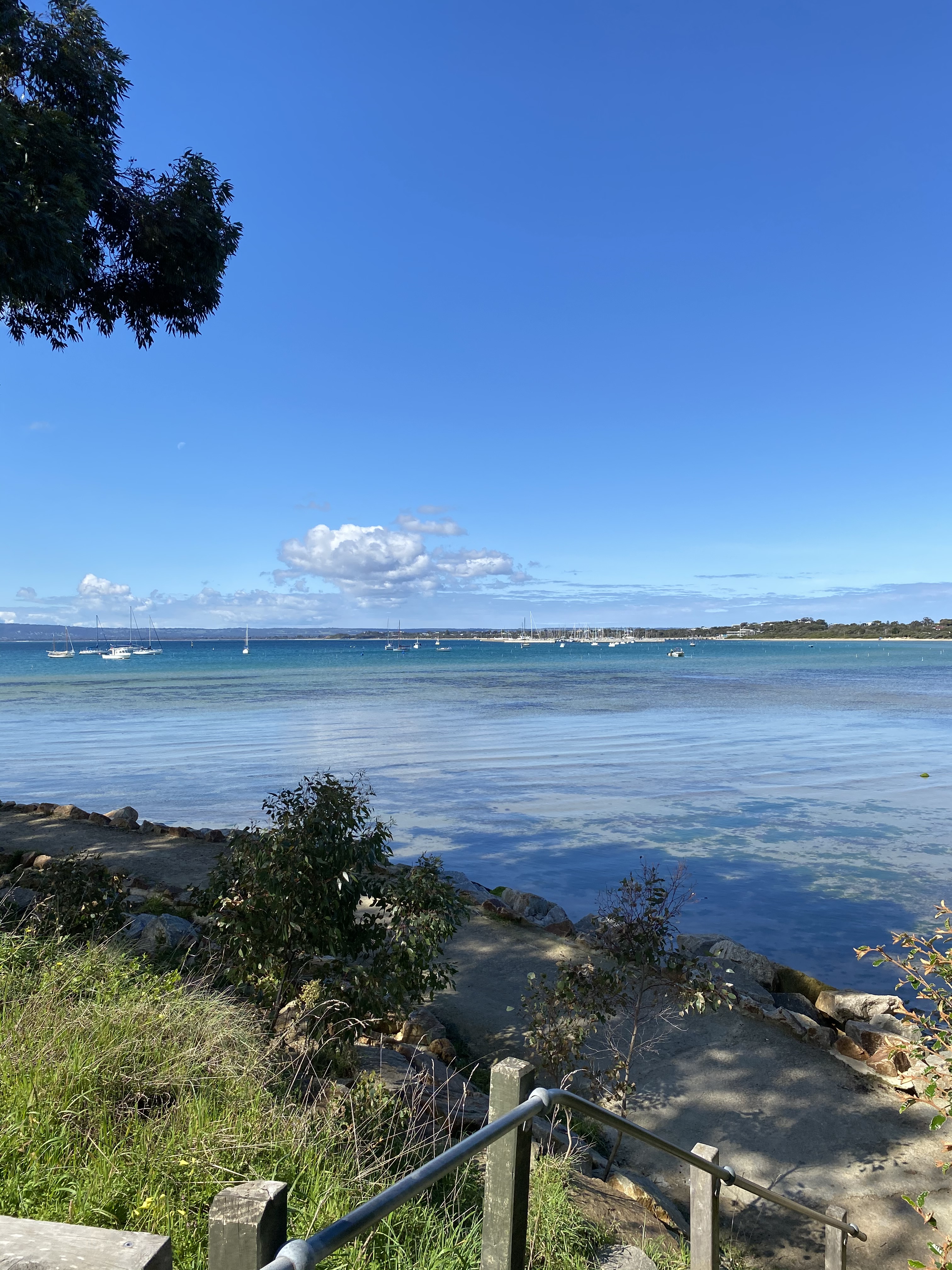
Sullivan’s Bay Site 2020 – Sorrento, Victoria.

The party with William Hay onboard landed and the settlement was established. The settlement was occupied from 10 October to 15th May 1804 the following year before being abandoned.
The expedition leader, Lieutenant David Collins, encountered many setbacks. He decided that the area was unfit for settlement. This was due to a lack of fresh water and suitable building materials.
He had no idea just how close they were to fresh water supplies had they ventured a little further inland.
He also missed the huge limestone deposits nearby. These deposits would later be quarried by future Melbourne settlers. The blocks used to build some of the most desirable colonial homes. These homes are now heritage listed. Having lived nearby and seen these homes throughout my younger years I can tell you they are stunning.
Collins was correct in that the flora in the area was low growing. The land that they had occupied was marshy with an abundance of tea-tree. This still stands in immense number today. What Collins didn’t know was that his party had landed on large sand dunes a feature of the peninsula. These continued inland for considerable distance.
Had they found the nearby waterways they would have discovered sweet fresh water teeming with eels and fish.
The other information that Collins party did not have was the Boonewrung knowledge of the land. What is now the Mornington Peninsula was well stocked with highly nutritious bushfood full of vitamins and minerals.
Click here. Uses of native plants Mornington Peninsula
In the end, Collins party decided to abandon the settlement. They chose the settlement of Risdon Cove in Van Diemen’s Land instead. During his time at Sullivan Bay, it seems Robert had an ongoing problem identifying his possessions. He often confused them with others’ belongings. As a result, he was convicted of theft and treated to some convict justice. He received 80 lashes as punishment.
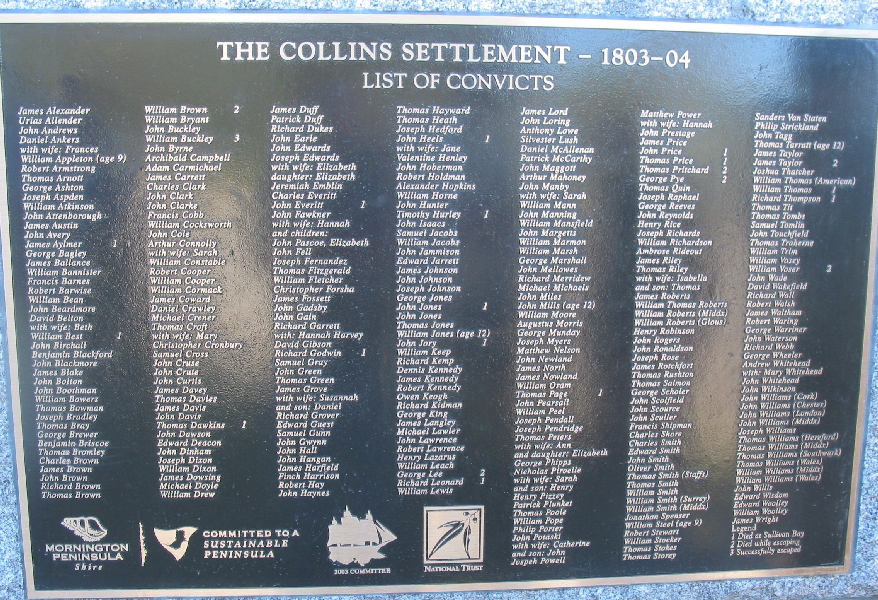
The first party to exit was in January 1804. During this time 21 convicts escaped the settlement. The most famous being Wild William Buckley who went and lived with the Aboriginals for over 30 years.
Thirty people died during the short settlement period. Even given rough times and hardship this was a disproportionately high number of deaths. At its conclusion the settlement was considered a disaster. Collins faced widespread criticism for the failure of the venture. He was also criticised for not conducting more thorough evaluations and inspections of the site and its surrounds. Whether this was his fault or not he bore the brunt of the fallout.
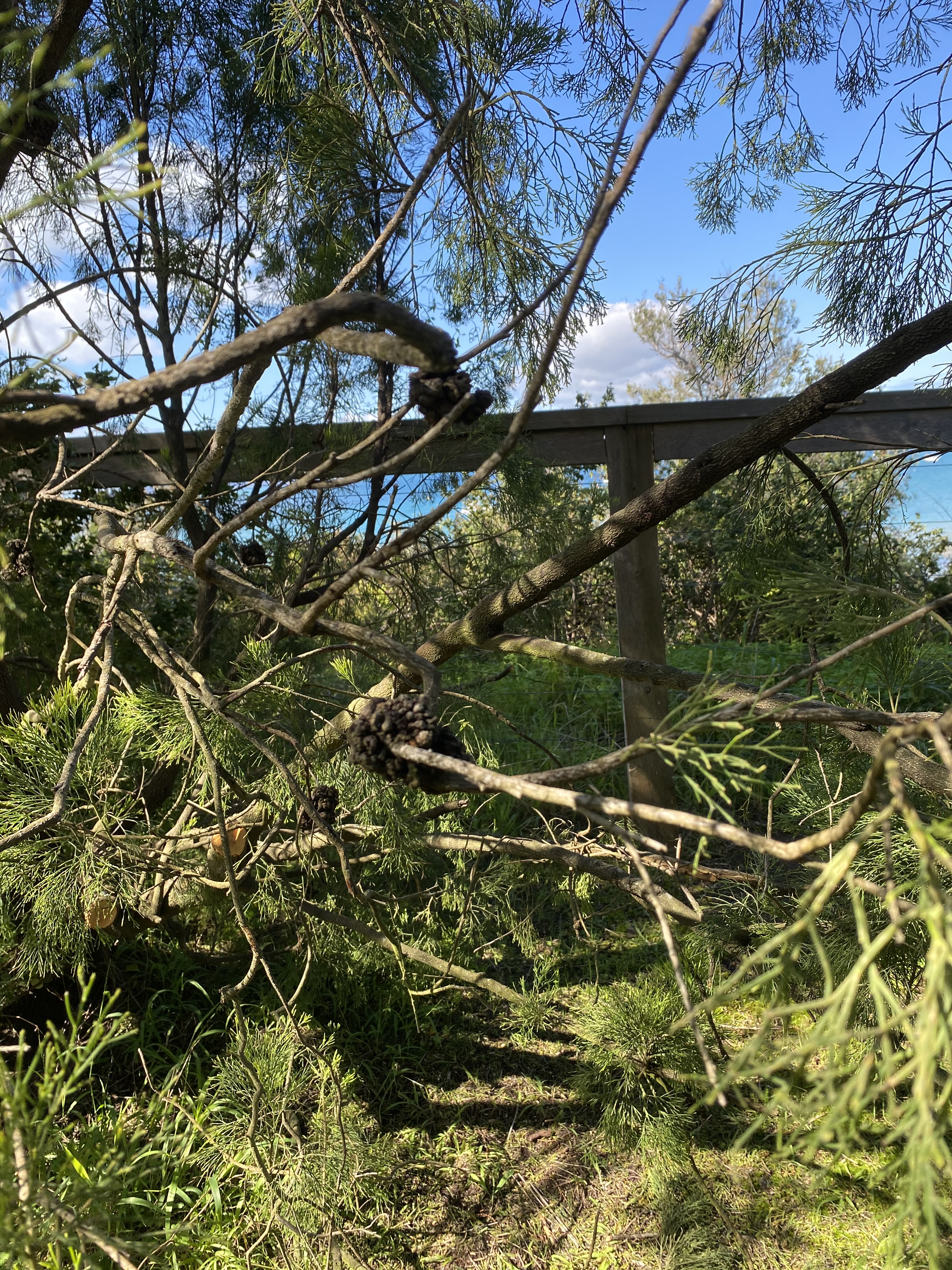
Collins Settlement Site Memorial 2020
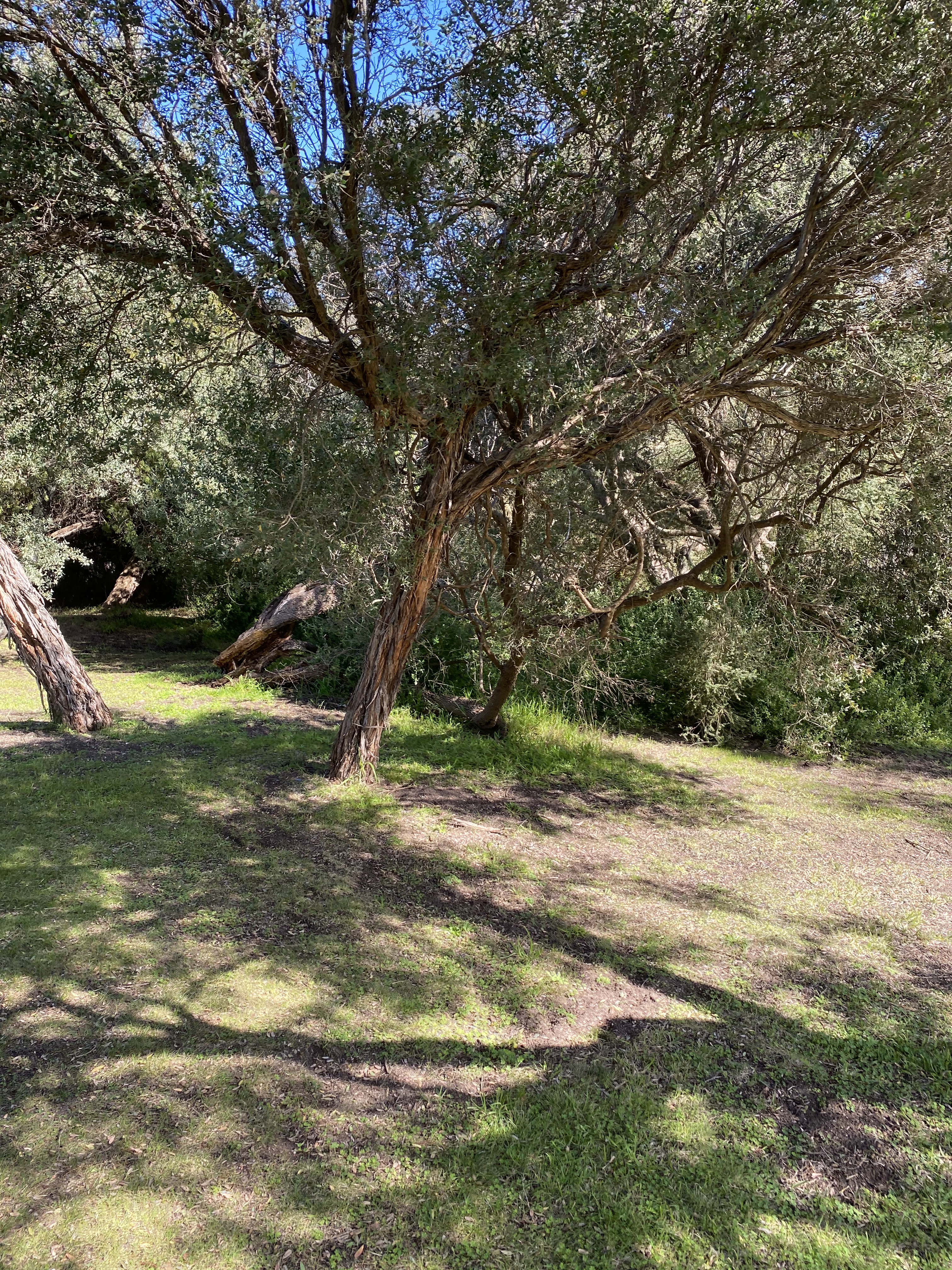
Collins Settlement Site Memorial 2020
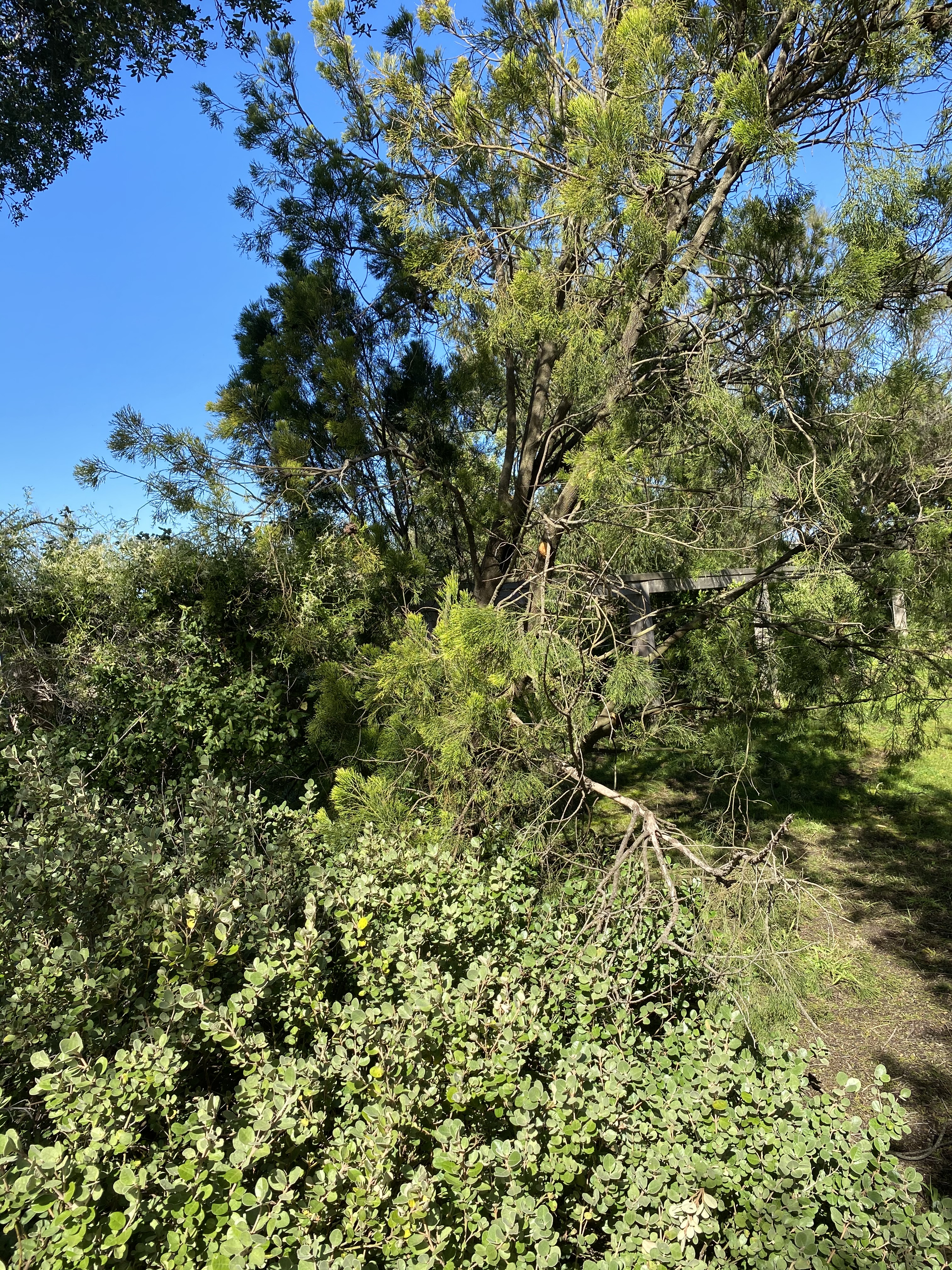
Collins Settlement Historical Reserve
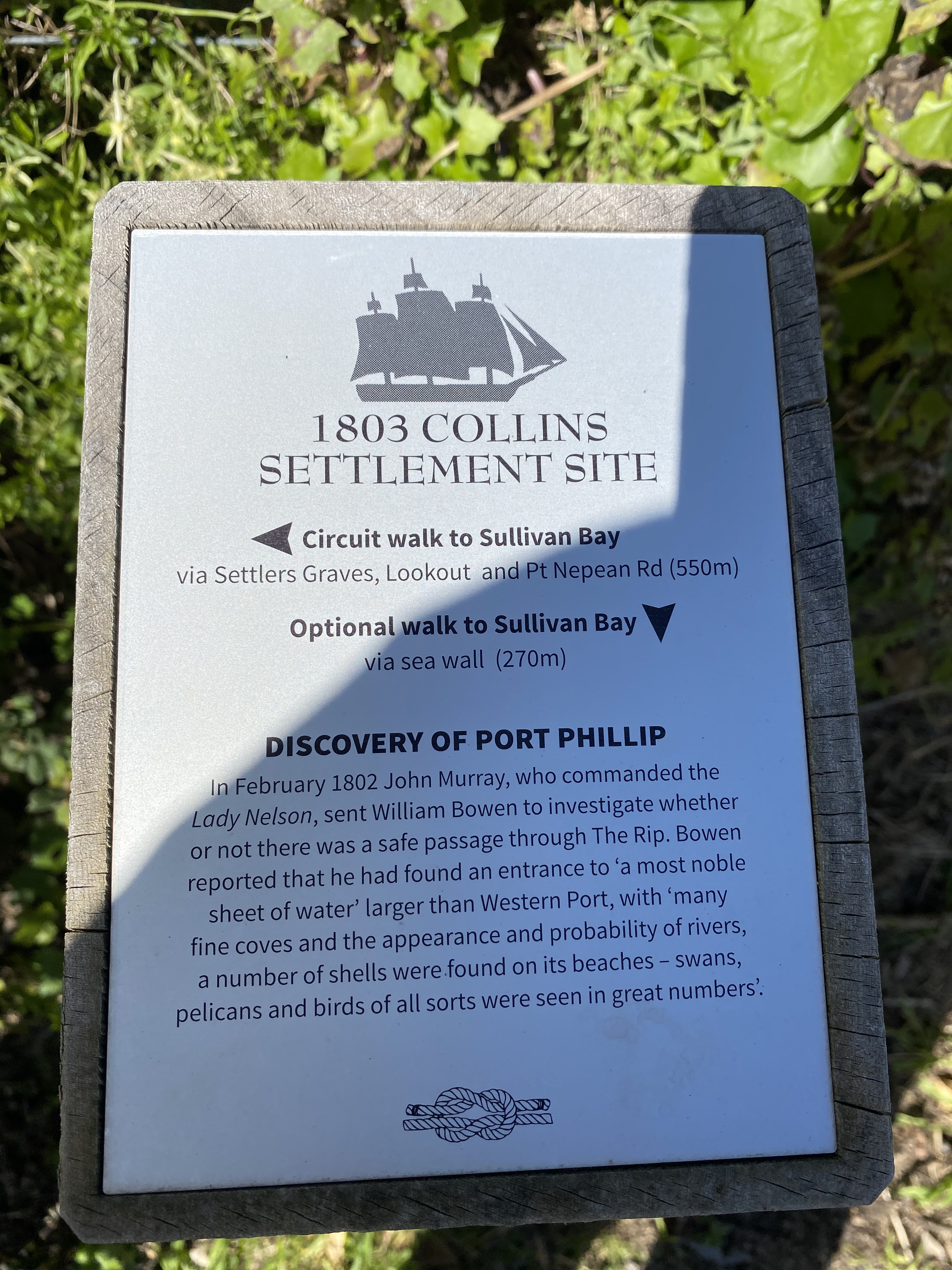
Author’s photographs site visit 2020
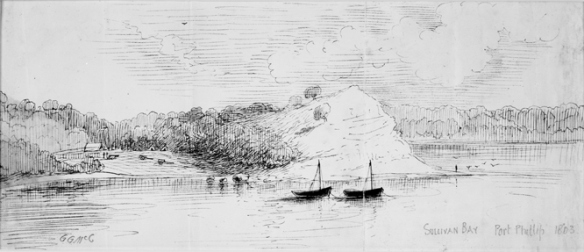
By 1870 a new flourishing settlement of Sorrento would sport its own post office. Melbourne city grew at the top of the bay. On the south eastern side at the tip of the peninsula sat the successful settlement of Sorrento. Built precisely one kilometre east of the original Collins settlement.
Today there are four preserved grave sites against the walking path. The Collins Settlement Historical Reserve has a small tourist building housing some perfunctory items of the time. A set of leg irons for one.
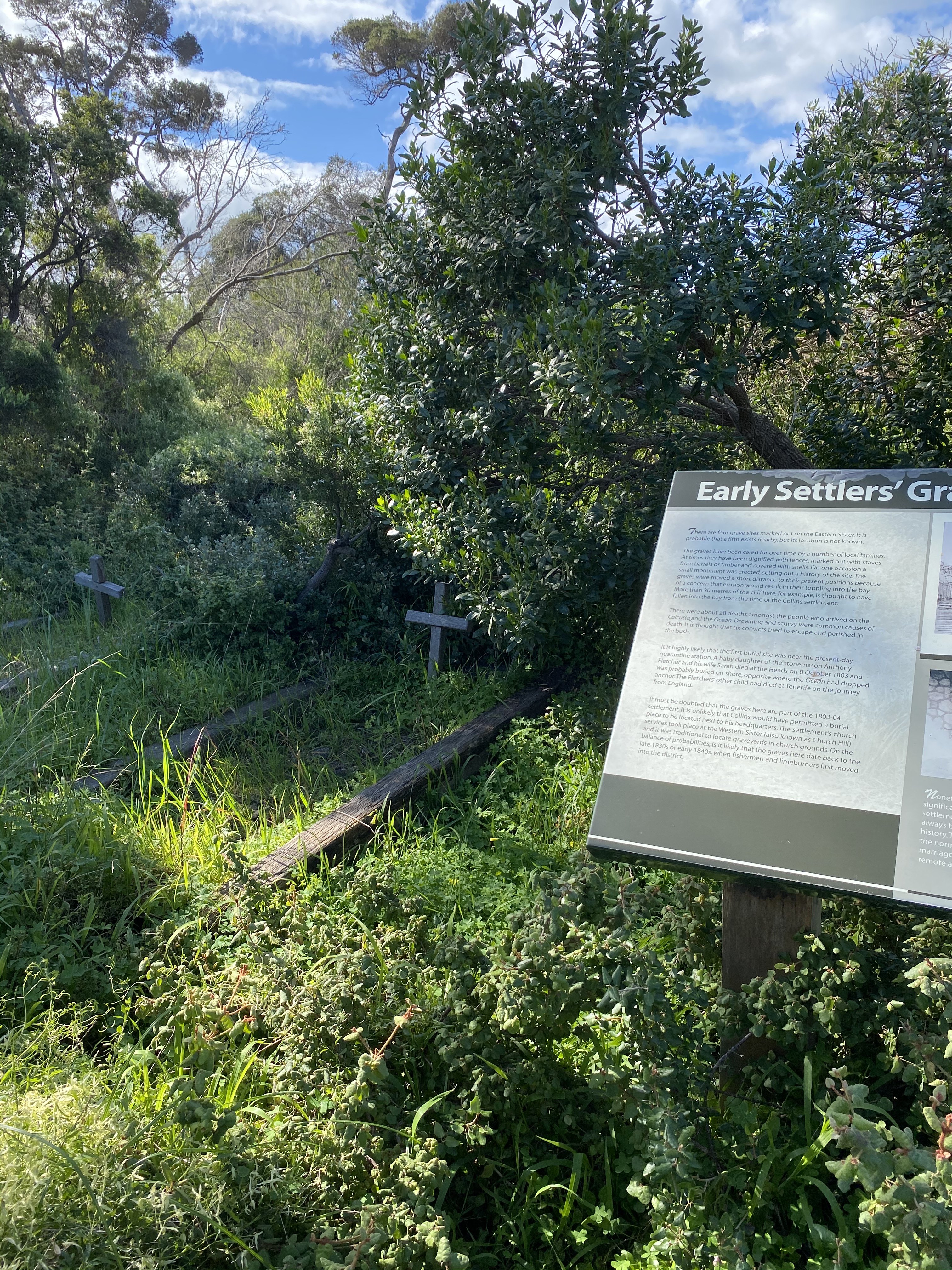
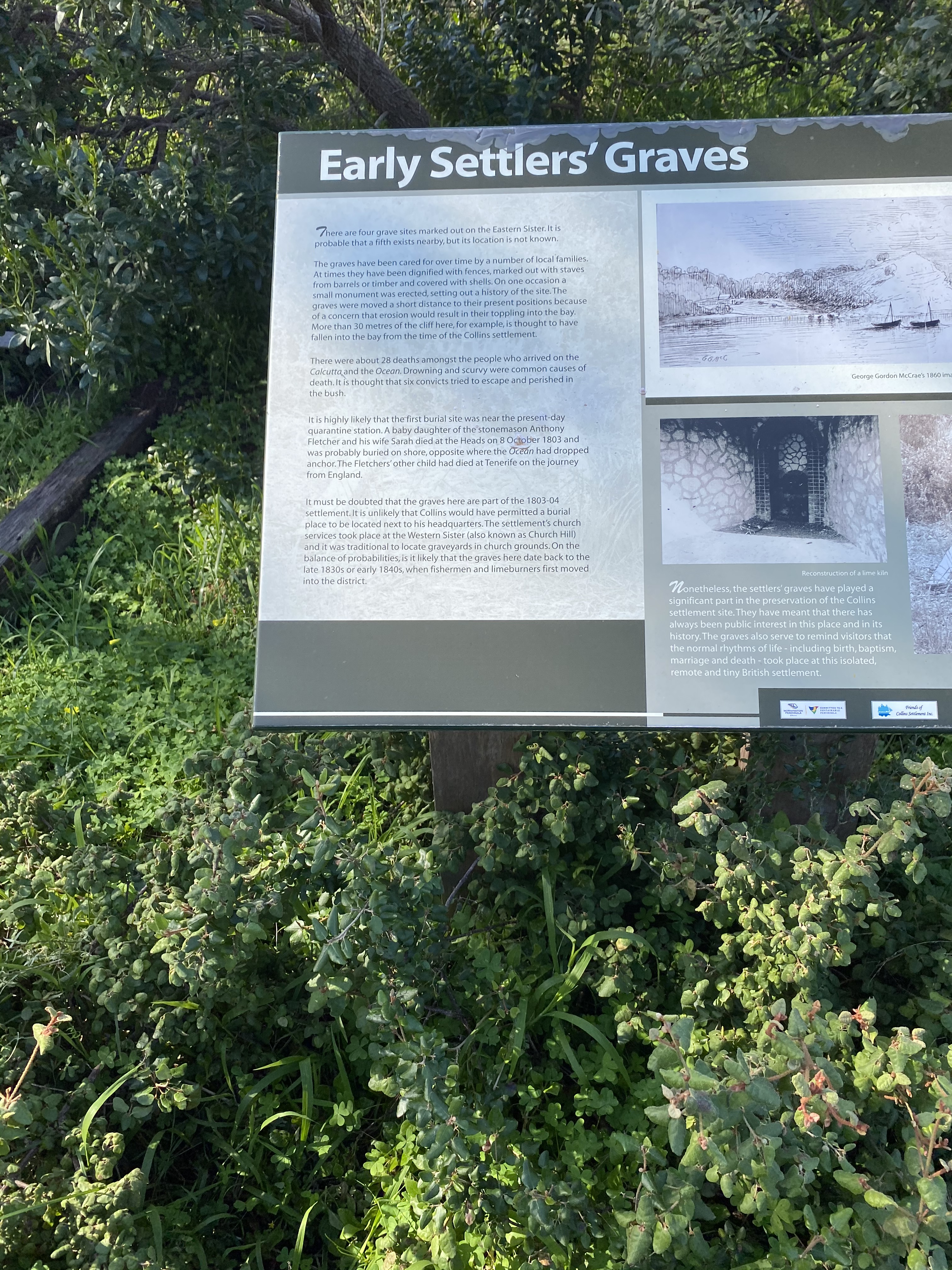
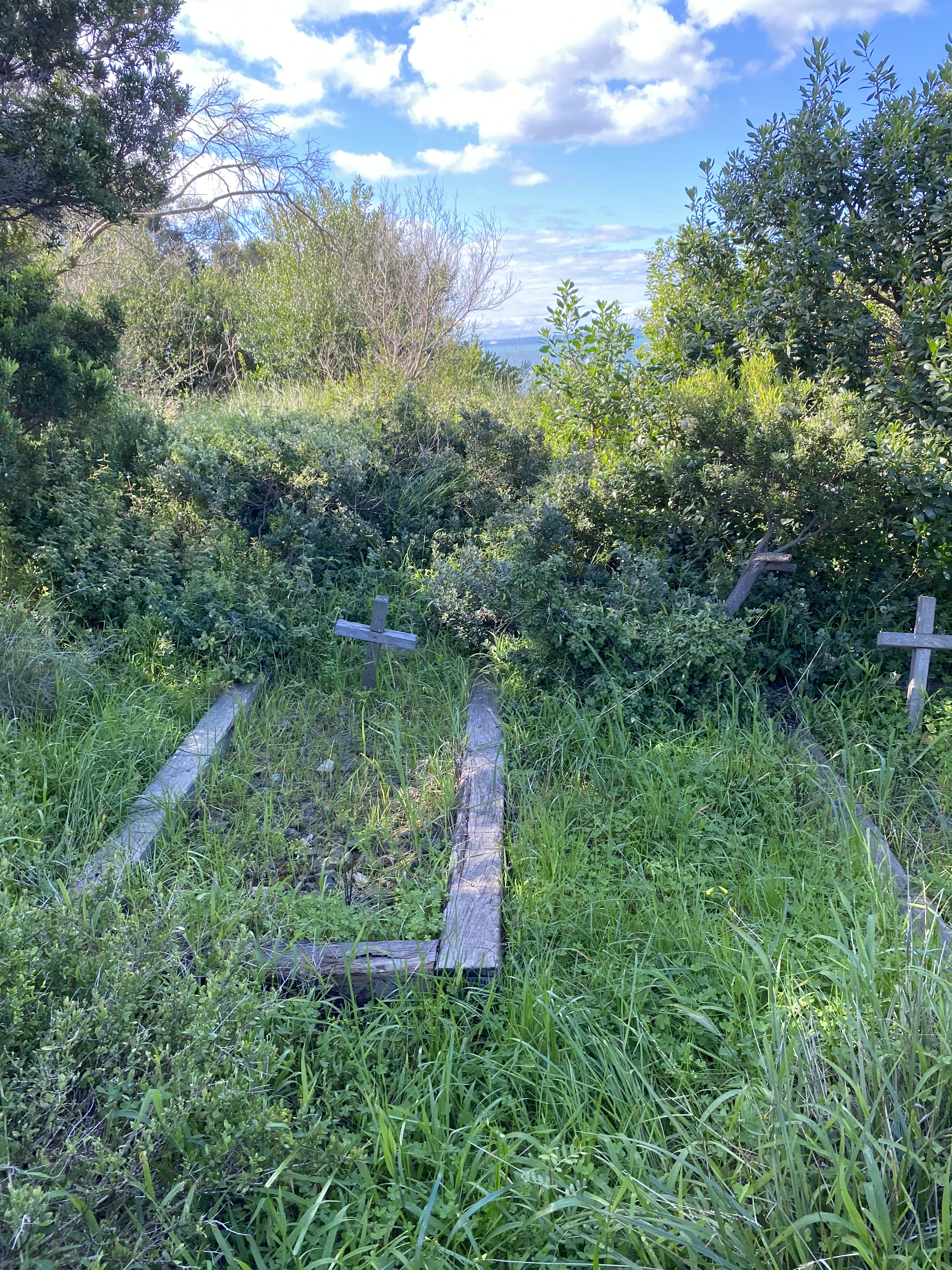
Whilst there are no remaining settlement buildings there are some markers to identify where these were located.


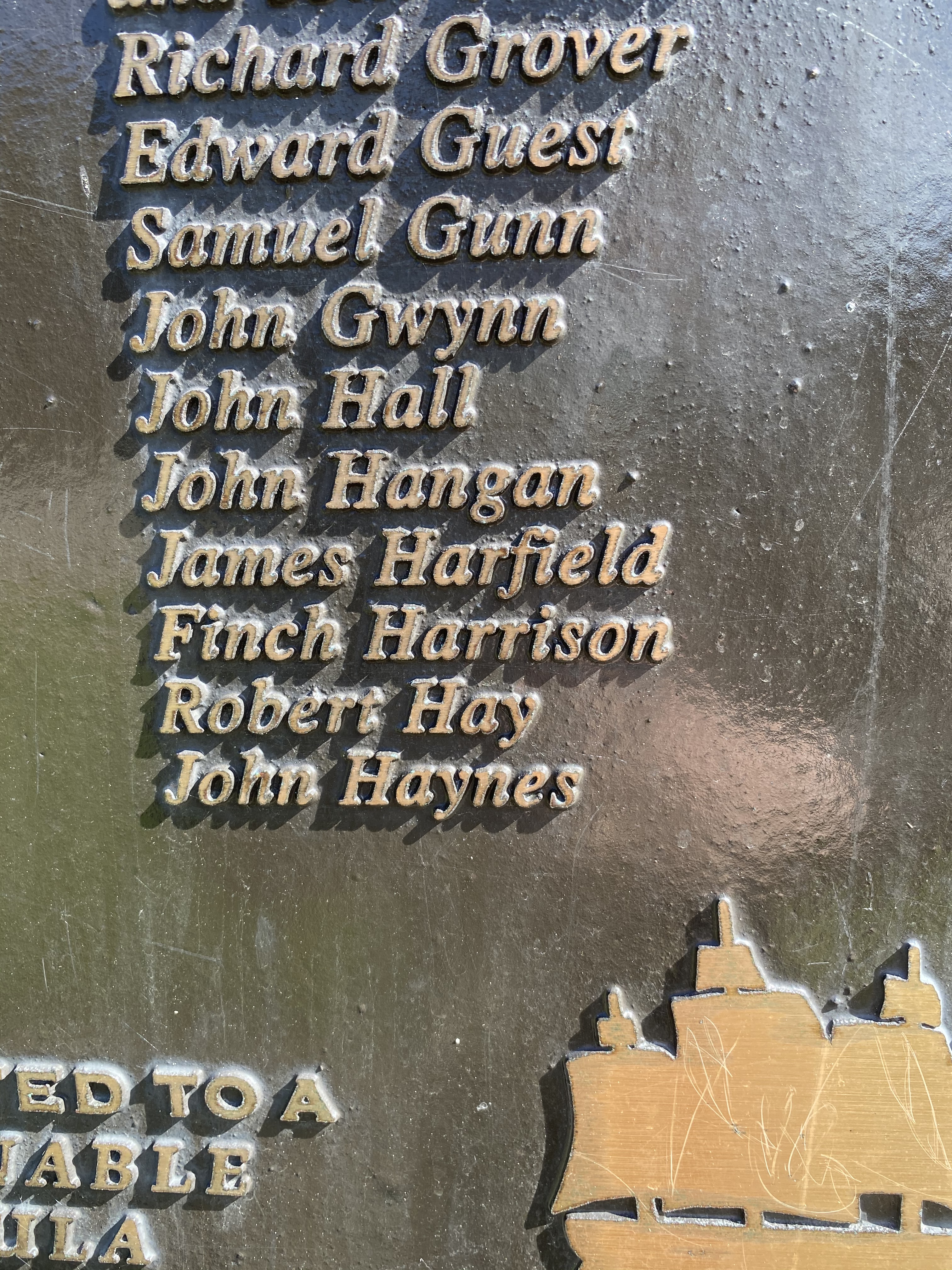

The settlement was finalised in May 1804. The final boarding party embarking on the Ocean for Risdon Cove in Van Diemen’s Land. Robert Hay was aboard this trip.
As a child I would go past this site almost daily. We didn’t know then that it was something famous and wouldn’t be redeveloped for many years. I certainly had no knowledge that my ancestor was among the party. All the locals knew that somewhere around about here there had been a party of convict. But not much else. It was a joy years later to come across this. I highly recommend a visit. 2003 marked two hundred years of the anniversary of the settlement.

Collins had substantially more success in setting up the colony at Risdon Cove near to what is now Hobart Town.
The settlers were made up of free men and women, prisoners and military officers and personnel.
Not everyone stayed at Risdon Cove, some chose to return to Port Jackson and the fledgling settlement of Sydney. When Robert arrived in Risdon Cove he was one of the 433 people establishing the new township. According to records of the day each of these people were provided with by the ‘stores’ in those early days. The goal of course was to ‘get off the stores’ sooner rather than later. (Convicts Unbound by Marjorie Tipping has a full list of settlers and is a fantastic resource book. I found it at the library and had to ask to use it but it’s well worth the read.)
The Reverend Knopwood was a well-known clergyman and a diarist in Tasmania (then Van Diemen’s Land). He noted in one of his diaries a significant event from March 1805. During that time, Robert Hay was missing in the bush around Hobart. He remained missing for three months before being found. Robert Hay had reported seeing a Tasmanian tiger in its natural environment!
Rev. Knopwood was well known to the New Norfolk pioneers. He provided daily spiritual guidance, christenings, marriages, and funerals. Knopwood was closely linked to the Hay family. He had even been with Robert at the Collins settlement.
Rev. Knopwood kept detailed diaries for over thirty years that reported on the happenings of the district. Our Robert had had an unruly start. Yet, once he married Maria and raised his family, in New Norfolk, he was well regarded. The Hay’s became one of the founding families of New Norfolk.
Robert Hay and Maria Hopper Hazelwood found themselves in Back River more by chance than design. Maria had been forcibly removed from Norfolk Island with her father when that settlement was abandoned. Born a free child, one of our first ancestors in Australia. Robert a convict from a failed settlement at Sullivan Cove in Victoria. Like Maria, he would end up calling Van Diemen’s Land home.
In the Hobart musters of 1811, 1818 and 1819 Robert presented himself to be recorded among the community’s numbers. These musters pre-dated what would eventually become census records.
New Norfolk was first settled in 1807. Back River was named because it was at the back of the Derwent River. It sat along what is now rolling hills abutting Mt Dromedary.
At the time Back River was land given over and considered to be out at the back of beyond. An unlikely area of preference for settlers.
Once the land was cleared, it revealed river flats. The area had a regular and easy-to-obtain water supply. The land was fertile.
Nowadays if you go looking for Back River you won’t find it. It’s in an area called Magra in the Derwent River Valley.
Maria Hopper Hazelwood
Maria was born on Norfolk Island on the 15th November 1796. She was the daughter of William Hazelwood a convict. William was transported in the Third Fleet. He arrived aboard the William and Ann. Which arrived at Port Jackson before being sent up to Norfolk Island. It was in Norfolk Island where he had met and married his wife and Maria’s mother, Elizabeth Hopper. Elizabeth had been a convict aboard the Lady Juliana. The ship now more famously recognised by the name it was given ‘the floating brothel’.
Unlike many of the convicts who were sent out to Australia the Lady Juliana’s voyage had been enjoyable. Maria was to be the only child of William and Elizabeth. Elizabeth Hopper died soon after her birth. Both William and Elizabeth had families in England. This was conveniently overlooked by authorities wanting to settle the new colonies. Maria was recorded a legitimate and free-born child on the island of New Norfolk. Maria was also errantly recorded as Martha. William had placed her in an orphanage after her mother’s death. It would have been impossible for William to look after the infant Maria. She was baptised a few years later on the 30th May 1802 as a six year old.
On the 4th June 1803 William brought seven year old Maria home from the orphanage to live with him.
In May of 1804 William returned Maria to the orphanage. On the 3rd September 1808 Maria left the orphanage and went home briefly to live with her father. Soon news came that the colony was being abandoned. A forced clearing of Norfolk Island took place. Settlers were put aboard ships bound for their new home in Van Diemen’s Land. The settlement they were to be sent to named New Norfolk.
William and Maria boarded the City of Edinburgh in winter bound for New Norfolk. Maria didn’t know any other place. She had been borne on Norfolk Island, lived there, leaving must have seemed very strange and uncertain. Elizabeth’s remains are interred somewhere on the island of Norfolk Island.
For many upon hearing of the forthcoming planned relocation of the settlement went and hid in the bush. They were soon sought out and forced to leave Norfolk on one of the boats in the ensuing months.
As his only child, Maria inherited all that William left. He bought land at Back River, approximately 30 acres. It was here that he and Maria lived.
Robert Hay a convict was assigned to work for William Hazelwood. It was is here that he met Maria. Robert would not secure his full freedom until February 1818. He himself would not be given a pardon until February of 1812.
Robert and Maria had their first child together Mary Ann Hay in 1810.
“Publick Baptisms, Sullivan’s Cove, River Derwent, Van Diemen’s Land 1810” “Mary Ann, Daughter of Maria Hopper July 6.” She was the first child baptized that month by Rev. Robert Knopwood. father is not named – it was well known Robert Hay was the father.
Sadly little Mary Ann would die ten years later. Further children Jane Hay born 1812 and William Hazelwood Hay in 1814. John Hay would follow in 1816, then Robert in 1819. James in 1821, Elizabeth in 1823 and Maria in 1825. Caroline in 1828, David in 1830 and finally Anne or Annie in 1835. Eleven known children in total.
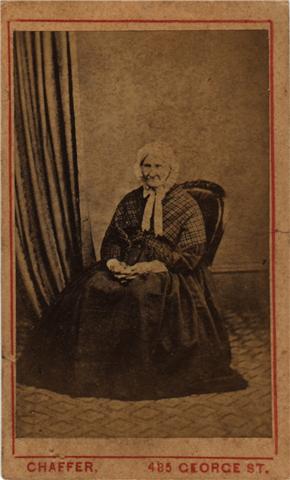
Their wedding was officiated by their long term clergyman Rev. Knopwood. At the time there was not a church yet built.
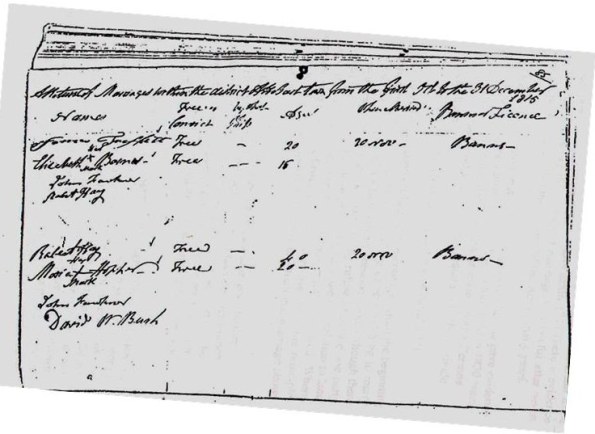

A Constable.
I’m still surprised when I read about people of the day being surprised that Van Diemen’s Land was so unruly. And full of bandits! Think about who was occupying the land as settlers. Convicts and people of very little real means and chance. Being a brigand in many cases would be more about desperation than choice. Early settlers were regularly recorded as being held up and threats of violence. One of the infamous bandits in New Norfolk who we would come to call bushrangers, was Martin Cash. Robert was employed by the government at times in a role of being a Constable. Constables were tasked with hunting down bandits and wrongdoers. Agreeing to be a Constable was also a way you could get your own convict status overturned.
During 1813 Robert Hay was working as a Constable in the New Norfolk district. He gave evidence against another New Norfolk resident Denis McCarty. Local inhabitants expressed their distrust in Denis McCarty and his business practices.
Robert was deposed in April 1815 at the inquest on the body of Charles Carlyle/Carlisle. Charles was a known associate of the bushranger Michael Howe. He was murdered by Hugh Burn’s. Hugh Burns had collected and armed men to hunt down the bushrangers.
In 1818 Robert received a land grant for 30 acres. This was from Governor Macquarie. It was for an area of land from Jones Springs to the Fat Doe River Run at Elizabeth Town. Eventually this would be renamed New Norfolk. More specifically Back River. Robert grew mostly wheat. He was recorded having 50 male and 50 female cattle, 200 sheep and 200 ewes by 1819.
The approval for the land grant of 30 acres was reported in the newspapers on the 14th February 1818. To help him work the new holding Robert hired a free man and was assigned a government servant (convict). Robert and Maria supplied the commissariat or stores with meat for the fledgling colony.
Other families who would settle with Robert and Maria in Back River were as follows. Shone, Triffit, Clelland, Bradshaw. Kingshott, Cockerill. Young, Jilletts, King.
On the 31st January 1818 Robert Hay is reported to have tendered 800 lb. of meat to the Hobart Town stores for the use of the colonists. The average amount appears to have been around 500 lb. – so Robert must have had a reasonably good period at this time. In 1819 Robert again tendered 750 lb. of meat for the stores.
31st October 1819 Hobart Town Gazette – LOST, or Mislaid, a pocket book containing sundry papers, particularly a promissory note drawn by Robert Rennie for £22 10s, dated in June, 1819, payable six Months after date; for which note the Subscriber has not received any valuable Consideration. – Also, two store receipts for £5 each; Nos. 236 and 237.-A reward of five Pounds will be given to whoever will restore the said pocket book and its contents, at the Gazette Office.
ROBERT HAY, New Norfolk A muster of all persons was called for in 1820 and reported in The Hobart Town Gazette for the Back River district where the Hay family were living. At Elizabeth Town, New Norfolk, on Monday, October 23rd, all the Free Men and Women, on and off the Stores, in the District of New Norfolk, the Back Settlement, and District of Melville; also those resident at the Fat Doe River, the Rivers Plenty and Styx, Stony-Hut Plains, and all Outstations and Stock-yards in that Quarter.
It is likely the amount of meat Robert contributed to the stores regularly meant his family were ‘off the stores’.
To be ‘on the stores’ was considered shameful and vagrant. In August 1827 Hay advertised a 30-acre property for sale with house and farm. He cautioned persons against buying the farm through Mr Butler or Mr Wells and that no other person but himself had any claim on the farm The land that was mentioned as being for sale in the above is likely land that was William Hazelwood’s and left to Maria and Robert. It would have been Maria’s inheritance. William Hazelwood lived on into his nineties. Throughout this time he was supported by his daughter and son in law for the remainder of his life.

Discover Tasmania. Robert Hay Convict is recognised by the laying of a Convict Brick. It is located in the Convict Trail in High Street, Campbell Town, Tasmania.
Robert died at Back River, New Norfolk a farmer. Buried 8 June 1839 at St Matthews Church of England Cemetery aged 69. Maria went on to live another forty one years. An astounding amount of time even by today’s standards.
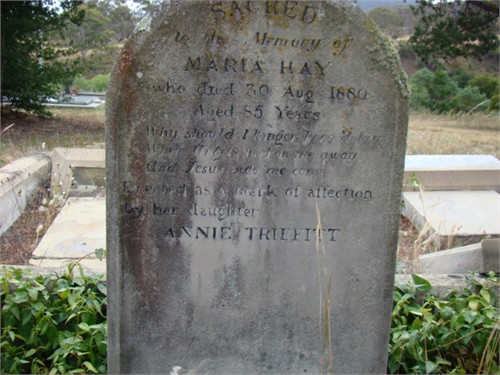
Maria’s death was recorded in the Hobart Mercury. Wednesday morning, 1 September 1880. HAY – On August 30. At Back River, New Norfolk, Maria Hay, aged 85 years, widow of the late Robert Hay. The funeral will leave her late residence, on FRIDAY NEXT, at 3 o’clock
Headstone reads: “Why should I longer here delay When Angels beckon me away And Jesus bids me come. Erected as a mark of affection by her daughter Annie Triffitt.”
 Yews to Eucalypts