John Hay was born a ‘free man’ to convict Robert Hay and his wife Maria Hopper Hazelwood. 13th April 1816 in New Norfolk. Van Diemen’s Land which would become Tasmania.
John had an older sister Mary Ann born in 1810 who died aged ten. He was only three or four years old when this happened. Older sister Jane Hay was born in 1812 and brother William in 1814. Younger siblings were Robert born in 1818, James in 1821. Sister Elizabeth born 1823, Maria in 1825, Caroline in 1828. Brother David born 1830, Thomas 1832. The last sibling was sister Anne or Annie in 1835. Twelve known children all told.
The house was probably a simple wooden structure with a stone fireplace. that may have smoked and provided heat in the freezing cold winters. Commonly these kinds of homes started out as one room buildings. It may have had a curtain of canvas rigged to separate the sleeping areas. Over time another room might have been added on. Commonly the floor would be hard packed earth. If a family did really well, then in time, they could expect to have a wooden floor. This would replace the earth floor.
Wash day for Maria must have been a day of rough soap and sore backs. Cooking was done over the fire in heavy pots hung on hooks. Additionally Maria would have to work with her husband to manage their small farm of thirty acres. Certainly, the vegetable garden would have been her responsibility. Because they were on river flats the good news would have been good soil for growing.
Neither Robert, Maria or their children would ever be considered by society, as gentleman farmers and family. Coming from the ‘convict class’ their place in society was set. Friends would have been other convicts and ticket of leave men and women. Their children including John Hay would expect no different consideration.
It would be a few years before more respectable ‘free’ settlers arrived in Back River. Friendships would have been forged through necessity and shared experience.
Politics would have been discussions that stirred emotions. Of the early convicts brought to Van Diemen’s Land many were political prisoners.
To get ‘off the stores’ you needed a combination of luck, good favour and fortune. Being considered a person of good character by those in authority was essential to success or failure. Failure to rise above incorrigibility would see you sent out to one of the nearby barbaric islands of incarceration. Punishments of incarceration included flogging, isolation, and not uncommonly an untimely death.
John like his siblings had two Scottish half sisters Barbara Hay born 1798 and Ann Hay born 1801. These were the children his father Robert would leave behind when he was transported, a convict, from Scotland.
Formal education would not arrive in New Norfolk until 1849. John Hay the son of Robert and Maria would have to make his own way. Neither John nor his future wife Sophia could read or write. This can be evidenced by the ‘x’ that they leave as their mark when marrying.
1816 saw the arrival of the second newspaper in Van Diemen’s Land. The Hobart Town Gazette. This was started by Andrew Bent. Bent himself was a convict who’d been transported for life on a charge of burglary.
Newspaper reports of the time reported such diverse subjects as whales appearing in great number in nearby waters. Wheat assize assessments to report what was available for distribution in the ‘stores’. The wild dogs or wolves were a known and reported nuisance and their culling encouraged. We now recognise these as the unfairly maligned and now extinct Tasmania tiger or accurately Thylacines. Authorities encouraged the reporting of neglectful or runaway convicts and of course bandits. Bandits weren’t yet called bushrangers. This word would come into the lexicon later.
John’s parents both had remarkable histories before they even came together. John and Sophia would go on to create their own.

Sophia Morgan
John’s wife Sophia Morgan had a fascinating backstory herself.
Born 27th January 1817 in Middlesex, England, Sophia was the daughter of John Morgan and Susanna Carter. She was baptised on the 16th of March 1817 at Saint Marleybone church. Parish register records describe the family living in the parish of Saint Marleybone. John Morgan’s occupation was given as Labourer. The whole London city and its districts had gone through rapid change growing, merging and becoming hopelessly overcrowded.
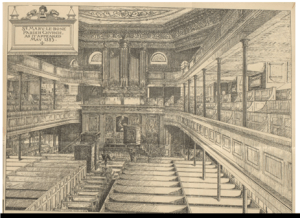
Interior of St Marleybone Church
In the middle of these events a dark-haired grey/blue-eyed young teenager was about to find herself in life changing circumstances.
Sophia was employed as a Servant in one of the ‘big houses’ when she was accused and convicted of larceny.
Old Bailey, Middlesex, England
On the 5th of April 1832 during the Sessions at The Old Bailey, Middlesex.
Sophia was charged with having stolen a box of linen of wearing apparel. In my opinion, at least she made a decent haul of it!
The itemised list was as follows: –
Two sheets, two pillowcases, six tablecloths, seven napkins, thirteen towels, three shirts. Three handkerchiefs, five pairs of stockings, six shirts, one habit shirt, one waistcoat. All of these the property of her employer Lord Frederick Beauclerk.
Beauclerk was described as a deeply disliked cricketer. A ‘dull’ clergyman and son of an Earl. He was remarked for his ‘foul mouth and bitter temperament’. He was also an underarm bowler! He was so disliked that when he died the Times Newspaper in England refused to write him an obituary. Did Sophia do it? Or did her employer in a fit of temper make the accusation. One of his contemporaries wrote about him.
“My Lord he comes next, and will make you all stare. With his little tricks, a long way from fair.”
If she did do it? Good on her she got the better end of the deal. Sophia was remembered far better by her contemporaries when she died.
As a result of this hearing, Sophia was taken from her family and transported to Australia for seven years. Sophia was fifteen years old.
Frances Charlotte to Van Diemen’s Land
15th of September 1832
Sophia boarded the Frances Charlotte bound for Van Diemen’s land with 95 other female convicts. Sophia Sailed from (Downs) on route 117. The Shipmaster was A. Smith. The ship surgeon was John Osborne.

The Colonist and Van Diemen’s Land Commercial and Agricultural Advertiser (Hobart)
10th of January 1833
The Frances Charlotte arrived in Hobart town. The written gaol report for her stated well-behaved. The Surgeon reported that she had been orderly on board and that her character was good. Sophia’s physical appearance was described as estimated to be born in 1814 and aged 18 (she was actually 15). Body marks – thickly pockpitted (had she survived smallpox I wonder?), eyes – gray/dark blue, hair – brown, height – 5 feet. Family – Single/unmarried. She was recorded as being able to read?Religion given as Protestant and occupation a Servant of all work.
Convict Life in Van Diemen’s Land
Not long after she arrived in 1833 Sophia was allocated to Mr W. Abel in the Back River district of New Norfolk to work as a Servant.
During this period and within short order, Sophia had begun a relationship with her neighbours son John Hay. Sophia left her assigned home and went to live with John on his parents property. Sophia and John had a child together Mary Ann Morgan born 6th of August 1834 at Hay’s home.
It wasn’t until the July of 1835 that authorities in Hobart became aware that Sophia was not at her assignment.
Sophia was charged with being in ‘neglect of her duties.’
Both John Hay and his parents Robert Hay and Maria Hopper Hazelwood put together a petition to keep Sophia and baby Mary Ann with them at Back River.
Transcript of Sophia Morgan Conduct Record from Tasmania Archives. I’ll save you the trouble of finding it page by page as I did.
CON40-1-7-Image 86 Libraries Tasmanian Government Digital
Morgan Sophia.
Frances Charlotte 10 January 1833. Middlesex. 5 April 1832
June 1, 1833. W Abel, Neglect of Duty. Rep (reported by F Fairweather) July 22, 1835. Brought up from the service of Mr Robert Haye of the Back River having been allowed by her Master Mr Wm Abel junior to remain in Mr Hayes service for about 13 months without any Authority from the Govt (Government). And having been delivered of a child at Mr Hayes house in the month of August last. Mr Hayes appeared and produced a written authority signed William Abel. To be returned to the F Factory (Female Factory) with the infant for the disposal of the Principal Superintendent J. Mason. Cert 14/2/48.
The Cascade Female Factory
The Cascade Female Factory was referred to as a reformatory for convict women. At the muster in 1835, Sophia was recorded as being in the House of Corrections. The Female Factories were a dangerous place. Less than twelve months prior, ten small children and infants had died in the same building Mary Ann would be. This occurred over a six-week period in the nursery at Cascades.
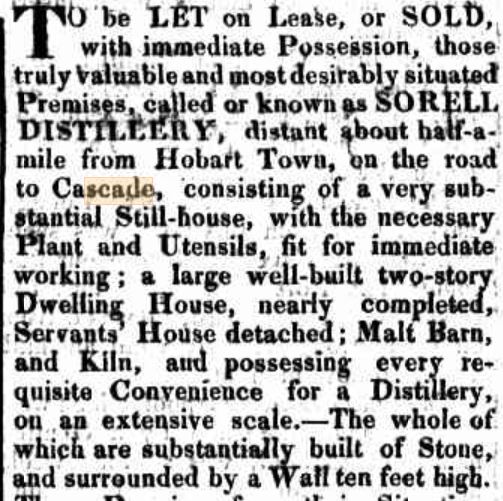
In 1827 Governor Arthur had ordered a Female Factory to be built at Cascade south of Hobart. The site had originally been a failed brewery (Sorrell Distillery) and was rebuilt as a the Cascade Female Factory.
There were three classes of convicts held here.
Those not yet assigned. Those who due to misconduct, were to be scheduled for punishment.
Then there was the third class that Sophia fell into. These were the unfortunates who like Sophia had fallen truly foul of the law. For example, Sophia had dared to become pregnant. Being a convict woman was bad luck. Being a convict woman with no support and/or small children was worse. Women in these situations could and often did find themselves (and their children) here. The crime, not having permission to have a child or move about freely or have a husband. Being flash back then didn’t mean smartly dressed. It meant you were showy, immodest, behaving in a way that was considered bad. A flash woman could be someone who was considered loud, or loutish. Had socially disagreeable opinions, or worse still used coarse language. You could be accused of being of loose morals and poor character. Not being faithfully devout was criminal. Add that to being a woman. Well you were bound for downfall. And that’s even before you got to be a ‘drunkard’.
This latter group were given the task of hand loom weaving coarse prison cloth and other menial tasks. The intention was meant to degrade and punish as an example to other women. These tasks were undertaken in damp and decrepit conditions.
The factory featured poor food, insufficient sanitation, menial work, little medical care. Disease, rampant in the infant population. Hard work and risk of sexual exploitation.
Overcrowding affected both inmates and their children. Children were separated from their mothers. The infant and mother mortality rate unreasonably high. Care for pregnant and new mothers was practically non-existent.
A memorial at the site reads “More sinned against than sinners.”
The location of the Cascades Female Factory is now 16 Degraves Street South Hobart. The site and some of the buildings have been preserved and restored and is available for educational tours. The extensive and important work done by the volunteers of the Female Convict’s Research Centre has been instrumental in saving this carefully curated living memorial, Honouring and educating us to the lives of our often under represented convict mothers and women.
CLICK HERE – FEMALE CONVICTS RESEARCH CENTRE
Touring the Cascade Female Factory in 2019 was fascinating, heartbreaking and inspiring all rolled into one. I thoroughly recommend it to every Australian. Walking in the footsteps of Sophia Morgan was impactful. The experiences of the other women of the factory will stay with me.
Doing a guided tour is an absolute must. With thanks to the volunteers for the below information.
What a day in Sophia’s life in the Female Factory could have looked like.
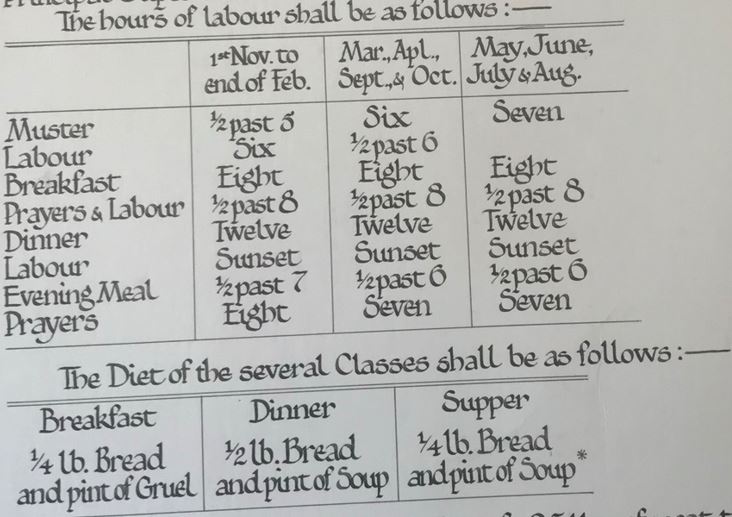
Sophia’s day often began at half past five each morning. Depending on the time of year, it would end at seven or eight at night. Seven days per week. Food was gruel, soup and bread. Three sittings per day. As a third class convict, Sophia got the worst dietary offerings.
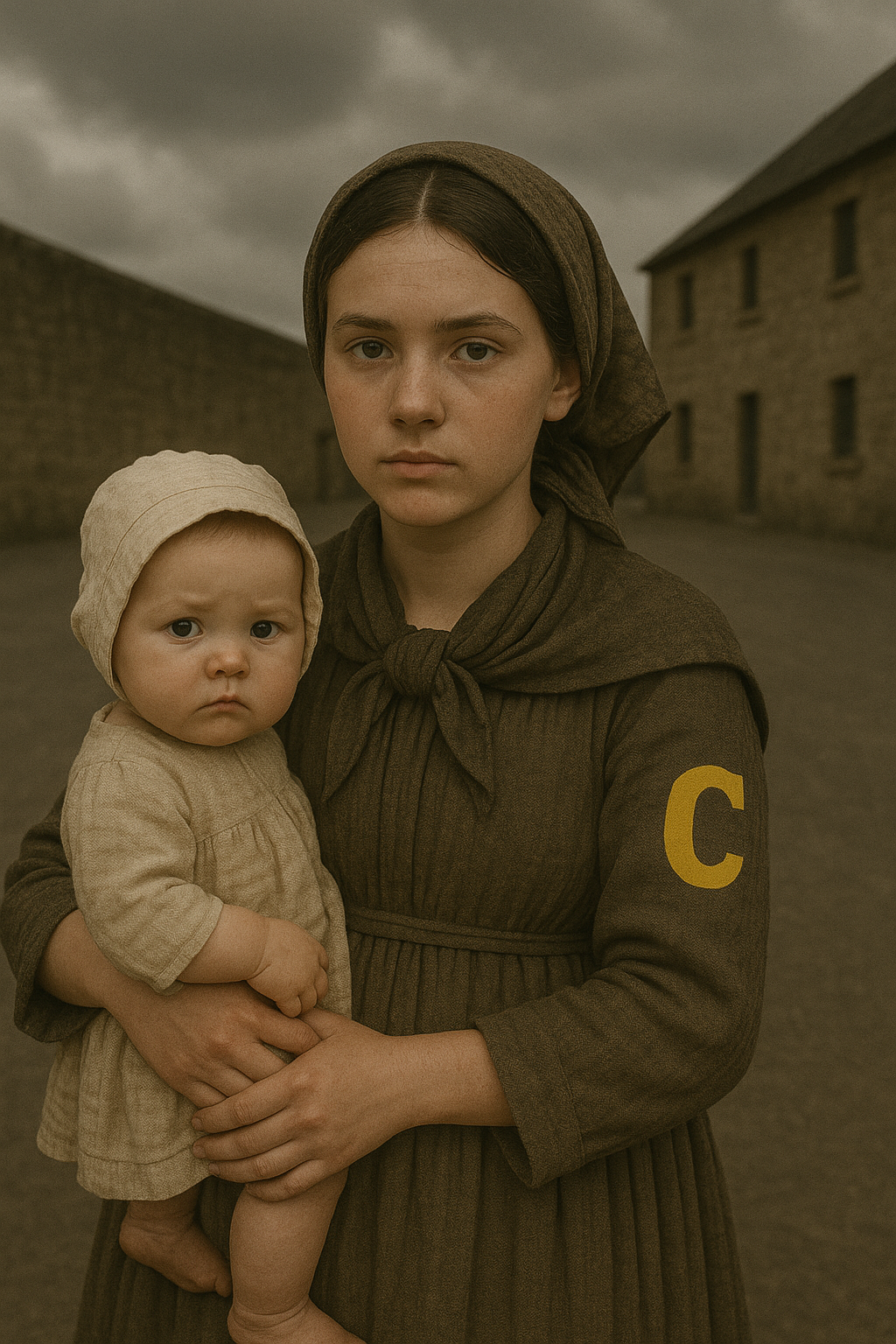
Sophia was considered by her transgression to be the most undesirable of the categories of women in the factory. The 3rd class inmate wore a large yellow C on the centre of the jacket’s back. She also had one on the right sleeve and another on the back part of the petticoat.
Each inmate was supplied clean linen each week. 2 aprons, 2 shifts, 2 caps, 2 handkerchiefs and 2 pair stockings.
Her ‘dress’ or clothing was to be made of cheap and coarse material. It consisted of a cotton or ‘stuff’ gown or petticoat, a jacket, and an apron. She wore a common straw bonnet of strong texture.
Third class inmates were given the hardest of the tasks with the most demanding of labour. Not only was this meant to mete out punishment but to dissuade other women from imitating their example.
They were to be employed in washing for the establishment. For the orphan schools, penitentiary. In carding wool, spinning or in such other manner as shall be directed by the Principal Superintendent.
” A miserable place”
March 1838, True Colonist.
We should take a moment here. It’s important to consider what Sophia did to bring about such harsh judgment upon herself and her child. Mary Ann after all was a baby not even twelve months old when she accompanied her mother into the factory. Sophia’s crime was that she was a convict, away from her assigned Master and had a child without permission. Its almost more than you can wrap your head around.
Below table from the Cascade Female Factory 2019
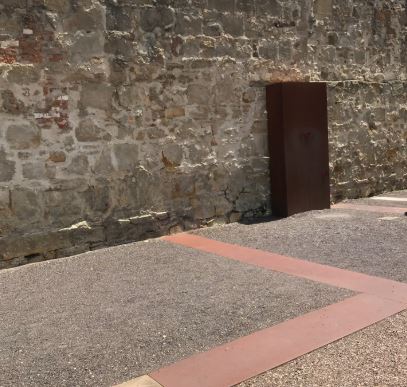
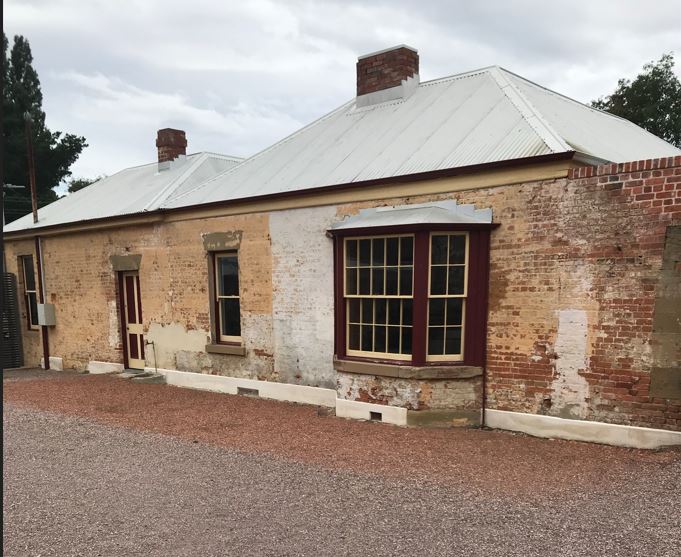
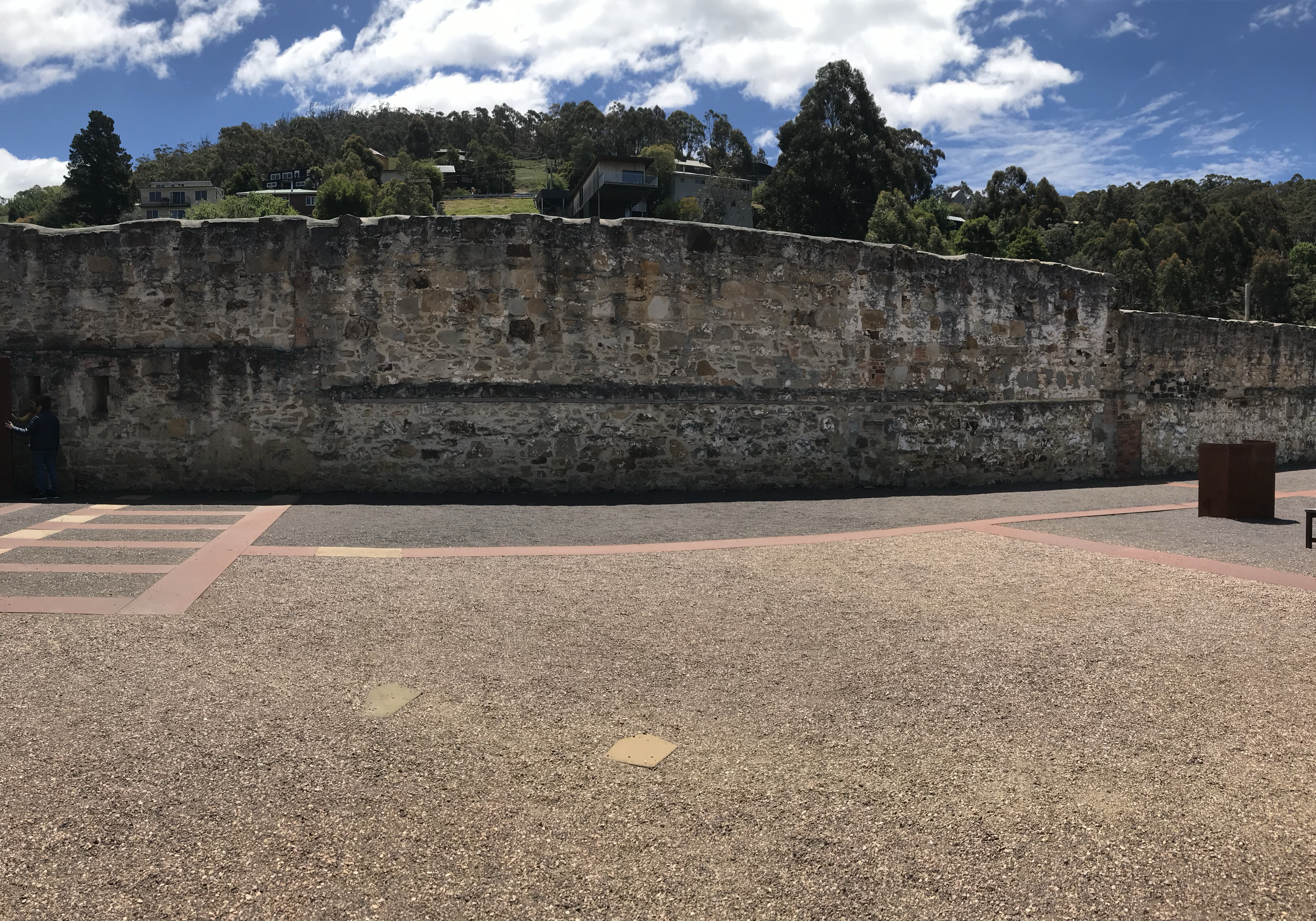
Sophia survived the factory and eventually returned to the safety of John and Back River with Mary Ann. This was no small effort on her behalf.
As a descendant of Mary Ann, I’m eternally grateful to Sophia for her fortitude during these difficult years.
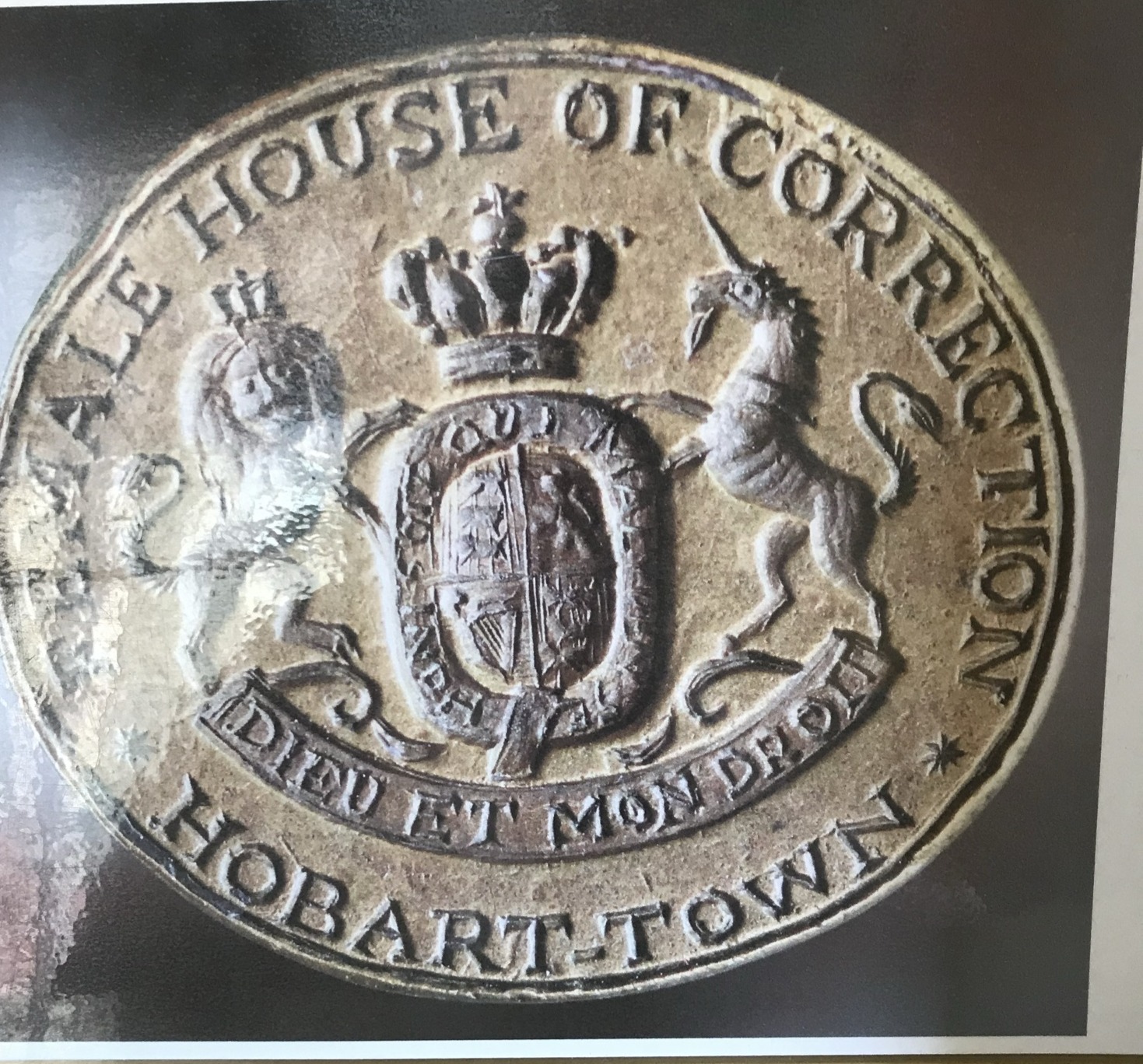
Ticket of Leave

Friday the 2nd March in 1838, The Hobart Town Courier listed Sophia Morgan received her ticket of leave. 1st of September 1838, John applied for them to get married. This was necessary at the time with all convicts and ticket of leave holders. Approval was received 17th of September 1838. They were married 5th of October in New Norfolk.
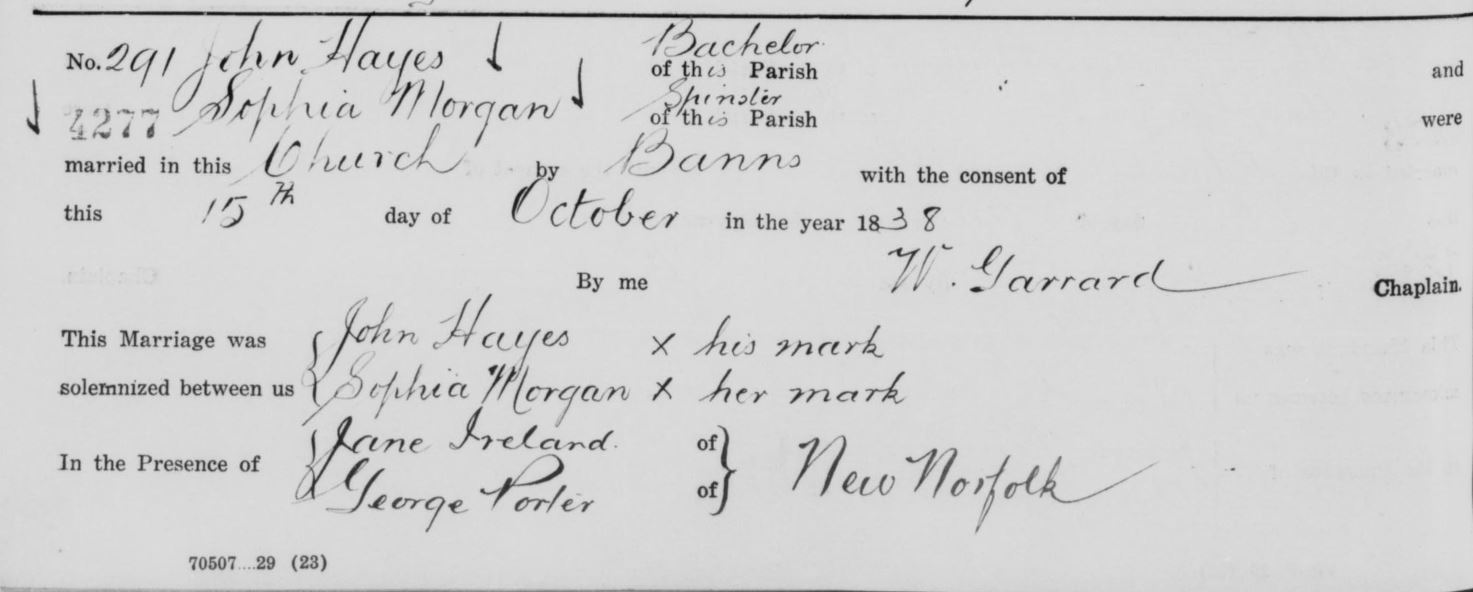
Their second child Robert Hay also beat them to the alter. He was born 27th of September 1838. From here John and Sophia expanded their growing family to twelve children. Jane Hay b. 1840, William Henry Hay b. 1842, Frances Maria Hay b. 1844, Caroline Hay 1847, Phoebe Maria Hay 1849, Isaac John Hay b. 1851, George Frederick Hay b. 1853, Thomas James Hay b. 1856, Frederick (Frank) Edwin Hay b. 1858, Ralph David Hay b. 1862.
The Hay family is listed on Tasmania’s colonial heritage website as a pioneer family of Tasmania.
Back River
The family would remain in Back River New Norfolk. From 1840 John would be successful in being granted a license to operate as a Hawker Carrier (carting goods). this from Josiah Spode, Chief Police Magistrate.

Their Children,
Mary Ann Morgan (Hay) married Francis Kingshott.
Robert Hay married Louisa Johnson.
Jane Hay married James Thomas Bradshaw.
William Henry Hay married Sarah Stanley.
Frances Maria Hay married Samuel Sargent.
Caroline Hay (?),
Phoebe Maria Hay married John Ware.
Isaac John Hays married Susannah Eaton.
George Frederick Hay married Mary Jane Oakley.
Thomas James Hay married Louisa Margaret Bishop
Frederick Edwin Hay (known as Frank) married Isabella Young.
Ralph David Hay married Linda Rose Fenton.
(In the Tasmanian pioneer records the family is recorded as Hays. We know of course that they are Hay.)
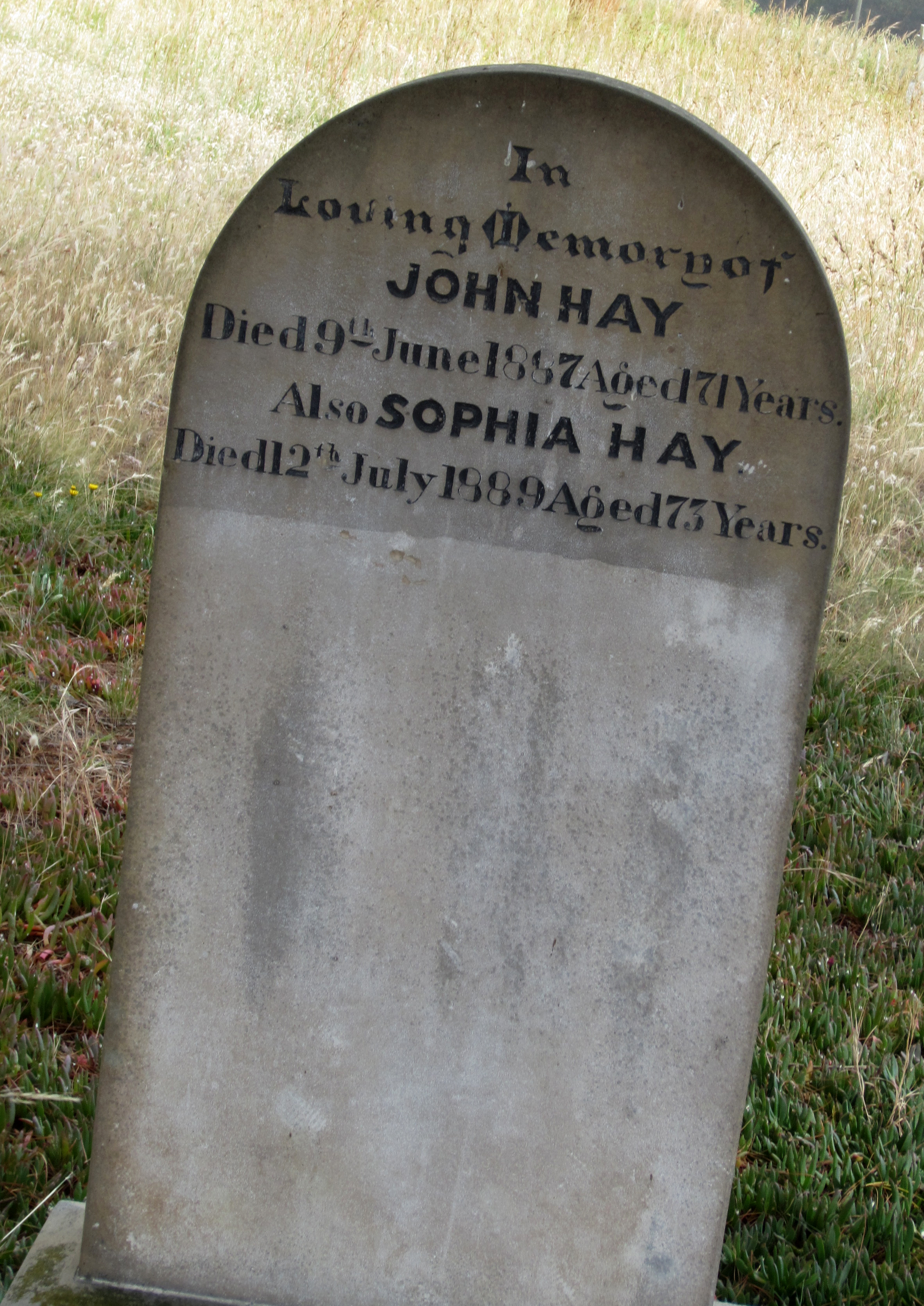
On the 9th June 1887, John died in New Norfolk aged 71 from cancer of the stomach and liver.
From the Hobart Mercury, Saturday, 11 June 1887:
HAY – On June 9, at Back River, New Norfolk, John Hay, aged 72 years. The funeral will leave his late residence at 2 p.m. on Sunday next. Friends are respectfully invited to attend. –Victorian papers please copy.
John is buried at Back River Methodist in New Norfolk.
Sophia died 12 July 1889. Sophia was aged 73. Cause of death was recorded as disease of brain and paralysis.
Sophia and is buried with her husband John Hay at Back River Methodist, New Norfolk.
Lawitta Church Cemetery in Magra, Derwent Valley Council, Tasmania
 Yews to Eucalypts